
General Medicine in Ayurveda is known as Kāyacikitsā, one of the eight classical branches (Aṣṭāṅga Ayurveda). The word “Kāya” means body and “Cikitsā” means treatment; together it refers to the comprehensive management of all systemic diseases affecting internal organs, metabolism, immunity, and overall health. Acharya Charaka is considered the foremost authority of Kāyacikitsā, and his Charaka Saṃhitā remains the foundational text for all aspects of internal medicine in Ayurveda.
The core principle of Ayurveda is doṣa–dhātu–agni balance. Every disease begins with the disturbance of Vāta, Pitta, or Kapha, leading to impairment of tissues (dhātus), obstruction in body channels (srotas), and weakening or aggravation of Agni (digestive & metabolic fire). Hence, the physician first identifies which doṣa is imbalanced, how the pathology has developed (samprāpti), and which tissues/organs are involved. This scientific method makes Kāyacikitsā deeply analytical and individualized.
Ayurvedic general medicine covers a wide range of diseases—digestive disorders, respiratory conditions, neurological diseases, cardiac issues, metabolic disorders, skin diseases, urinary problems, psychological conditions, and immune dysfunctions. Disorders such as Ajeerna (indigestion), Grahani (IBS-like disorders), Prameha (diabetes), Udara (ascites), Jwara (fever), Shwasa (asthma), Kasa (cough), Pandu (anemia), Vataroga (neurological diseases), and Kushtha (skin diseases) are described in great detail. Instead of treating symptoms alone, Ayurveda focuses on correcting the root cause, usually linked to improper diet, lifestyle, emotional stress, and weakened digestive/metabolic function.
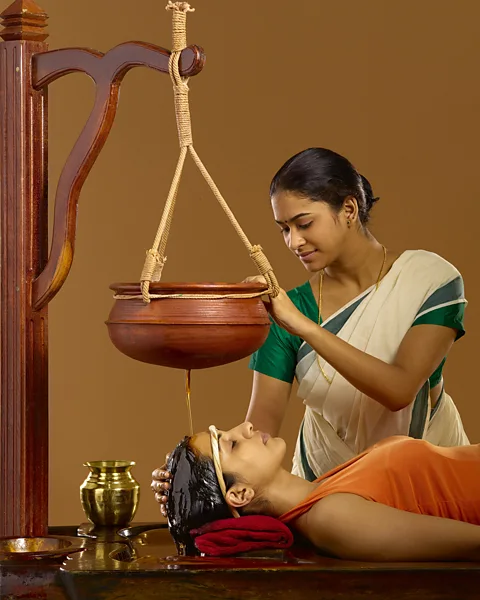
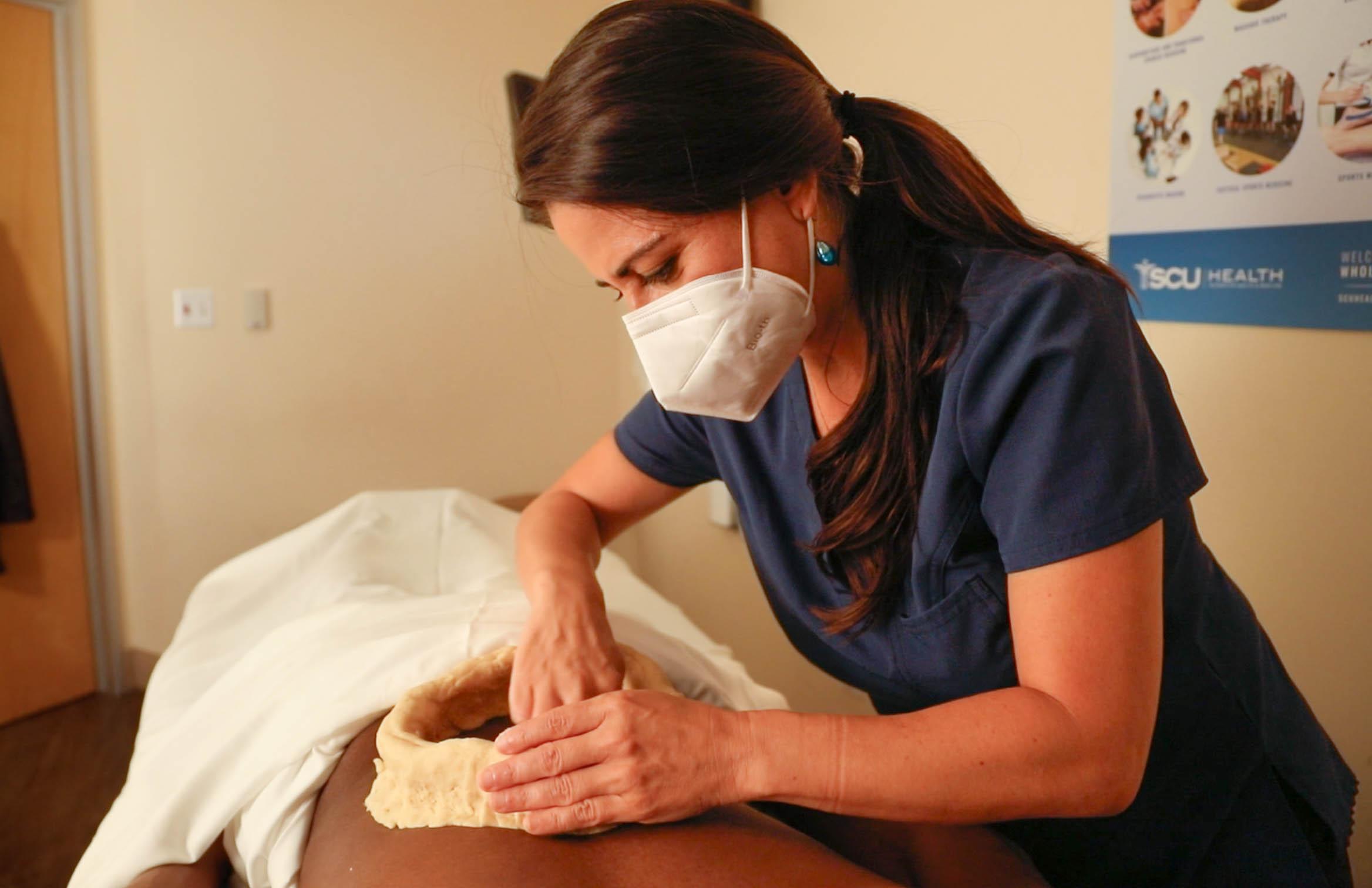
The treatment strategies in Kāyacikitsā follow two major pathways: Shodhana (purification) and Shamana (pacification). Shodhana includes the classic Panchakarma procedures—Vamana, Virechana, Basti, Nasya, and Raktamokshana—used to eliminate aggravated doṣas from the body. Shamana therapy includes medicines, diet, lifestyle modification, yoga, and rasayana therapies that balance doṣas without elimination. Proper selection between Shodhana and Shamana is a mark of an expert physician, and Charaka highlights this as the essence of medical judgment.
Herbal formulations play a major role in general medicine. Classical medicines such as Triphala, Dashamoola, Guduchi, Haritaki, Yashtimadhu, Ashwagandha, Shatavari, Gokshura, Nimba, and Pippali are used based on doṣa involvement. Numerous preparations like Kashayam (decoctions), Arishtams, Churnas, Lehyams, Ghritas, and Rasayanas are prescribed to restore health, improve digestion, boost immunity, and strengthen tissues. Ayurveda also emphasizes Aahara (medical diet) as a crucial part of treatment; every disease has a dietary guideline that supports faster healing.
Ayurvedic general medicine also includes a strong emphasis on preventive healthcare and longevity. Dincharya (daily routines), Ritucharya (seasonal routines), and Sadvritta (ideal mental-behavioral conduct) are described as essential tools for maintaining long-term health. Stress management, sleep regulation, digestion correction, and mental clarity are part of every treatment plan, making Kauyacikitsā both holistic and predictive.
One of the unique features of Ayurveda is Rasāyana therapy, which enhances immunity, slows aging, improves mental strength, and prevents chronic diseases. Rasayana is especially important in managing lifestyle disorders like diabetes, hypertension, obesity, depression, autoimmune diseases, recurrent infections, and weakness after chronic illness. By strengthening Ojas—the essence of immunity—Ayurveda ensures long-term protection rather than temporary relief.
In summary, Kāyacikitsā (General Medicine) in Ayurveda is a deeply logical and holistic science that addresses disease from the root cause. It blends purification therapies, herbal medicines, diet, lifestyle, mental health practices, and rejuvenation techniques to restore harmony in the body. Its comprehensive understanding of physiology, pathology, immunity, digestion, and mind-body wellness makes it a timeless and effective system for modern medical challenges.

No comments:
Post a Comment
If you have any doubts on about Ayurveda treatments about different diseases, different Panchakarma Procedure, Home Remedy, Alternative Medicine, Traditional medicine,Folk medicine,Medicinal Plants, Special diets, Ayurveda medicine ,Complementary medicine LET ME KNOW