Gynaecology (Strīroga) in Ayurveda — A Complete Overview
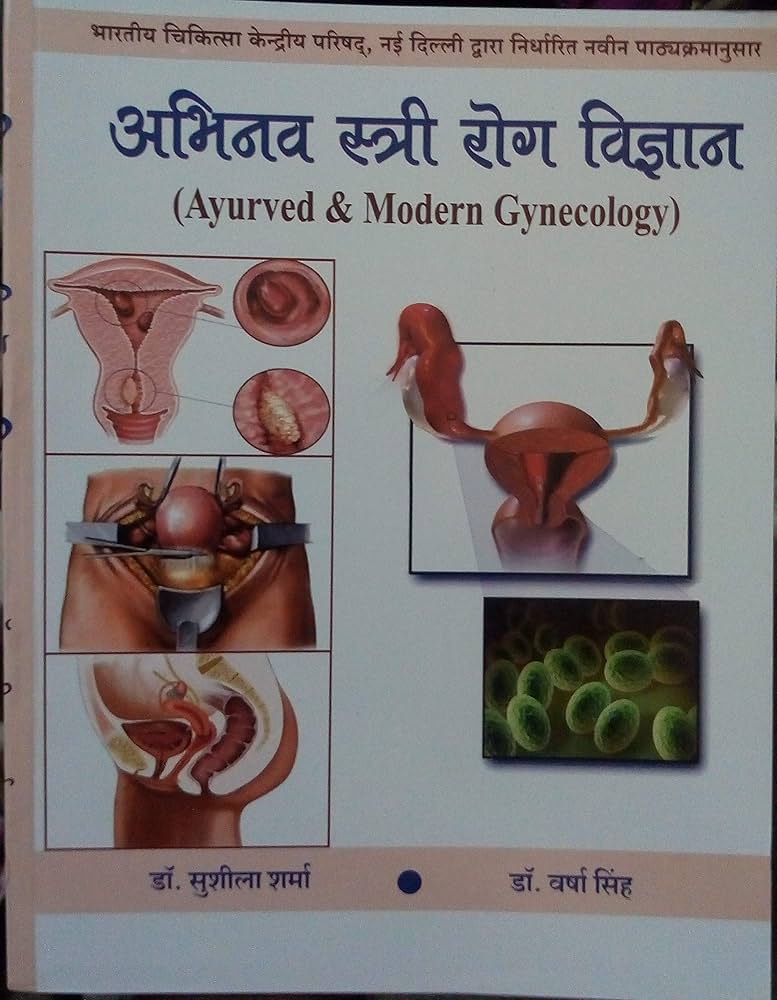


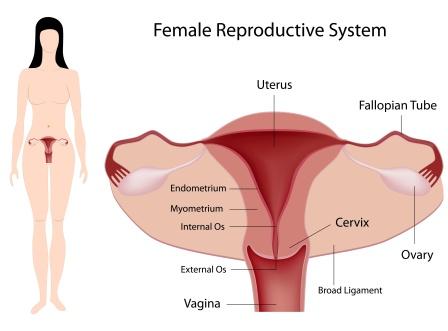
Gynaecology in Ayurveda, traditionally known as Strīroga-Vijñāna, is a specialized branch that deals with the physiology, pathology, diagnosis, and treatment of disorders related to the female reproductive system. Acharyas like Kashyapa, Charaka, Sushruta, and Vagbhata have contributed richly to this branch, making Ayurveda one of the earliest medical sciences to describe women’s health in a remarkably comprehensive manner. The Ayurvedic approach views a woman’s body as a dynamic system influenced by doṣas (Vāta, Pitta, Kapha), the reproductive tissues (Artava Dhātu), hormones, mind (Manas), nutrition, and lifestyle.
Ayurveda emphasizes that women’s health is foundational for family and societal well-being. From menarche to menopause, each stage is seen as a physiological transformation that must be supported with proper diet, lifestyle, and seasonal care. The texts describe how menstrual health reflects the state of the entire reproductive system. Normal menstruation (Prakṛta Artava) is characterized by timely flow, natural color, minimal pain, and balanced emotions. Any deviation—such as irregular cycles, excessive bleeding, scanty flow, or amenorrhea—is understood through the lens of doṣic imbalance, impaired digestion (Agnimandya), or obstruction in the channels (Srotorodha).
Common gynaecological disorders explained in Ayurveda include Amenorrhea (Artava Kshaya), Dysmenorrhea (Kashtartava), Menorrhagia (Asṛgdara), Leucorrhoea (Śveta Pradara), PCOD-like presentations (Artava Dushti variants), uterine prolapse, recurrent abortions, and infections. Each disease is described not only by symptoms but also by Samprāpti (pathogenesis) that traces how lifestyle, diet, stress, or hormonal imbalance disturbs doṣas and affects reproductive tissue. This helps in designing individualized treatments rather than a one-size-fits-all approach.
Ayurvedic treatment for gynaecological diseases follows a structured plan: Shodhana therapy (detoxification like Virechana, Basti, Uttara Basti), Shamana therapy (herbal medicines), Rasayana therapy for rejuvenation, and lifestyle corrections (Aahara–Vihara). Herbs such as Aśoka, Lodhra, Shatavari, Kumari (Aloe vera), Guggulu, and Dashamoola are widely used for regulating cycles, improving ovulation, reducing inflammation, and strengthening the uterus. Special procedures like Uttara Basti are considered highly effective for chronic conditions like infertility, fallopian tube blockage, and recurrent infections.
Ayurveda gives special importance to pregnancy (Garbha Dharana) and Garbhini Paricharya, the systematic antenatal care protocol. It includes dietary guidelines, physical activity, herbs, and emotional well-being recommendations for each month of pregnancy. These guidelines ensure healthy fetal development and safe delivery. Postnatal care (Sūtika Paricharya) supports healing, restores strength, and enhances lactation. As modern medicine recognizes, many Ayurvedic principles—like balanced nutrition, minimizing stress, and routine-based lifestyle—have strong scientific foundations for hormonal and reproductive health.
Another unique contribution of Ayurveda is its deep understanding of Artava Dhātu (reproductive tissue) and Beeja (ovum). The health of Artava determines fertility, menstrual regularity, hormonal balance, and emotional stability. Ayurveda also connects gynaecological health with mental health (Manasa Doṣa), explaining how stress, grief, anxiety, and anger can directly disturb menstrual cycles and reproductive hormones.
In summary, gynaecology in Ayurveda is holistic, preventive, and individualized. It focuses on maintaining balance throughout all stages of womanhood—menarche, reproductive years, pregnancy, postpartum, and menopause. By integrating diet, lifestyle, herbs, detox therapies, and mind–body balance, Ayurveda offers a comprehensive system for treating and preventing reproductive disorders while enhancing overall vitality and well-being.

No comments:
Post a Comment
If you have any doubts on about Ayurveda treatments about different diseases, different Panchakarma Procedure, Home Remedy, Alternative Medicine, Traditional medicine,Folk medicine,Medicinal Plants, Special diets, Ayurveda medicine ,Complementary medicine LET ME KNOW