Rachana Sharira (Anatomy in Ayurveda) — A Complete Overview
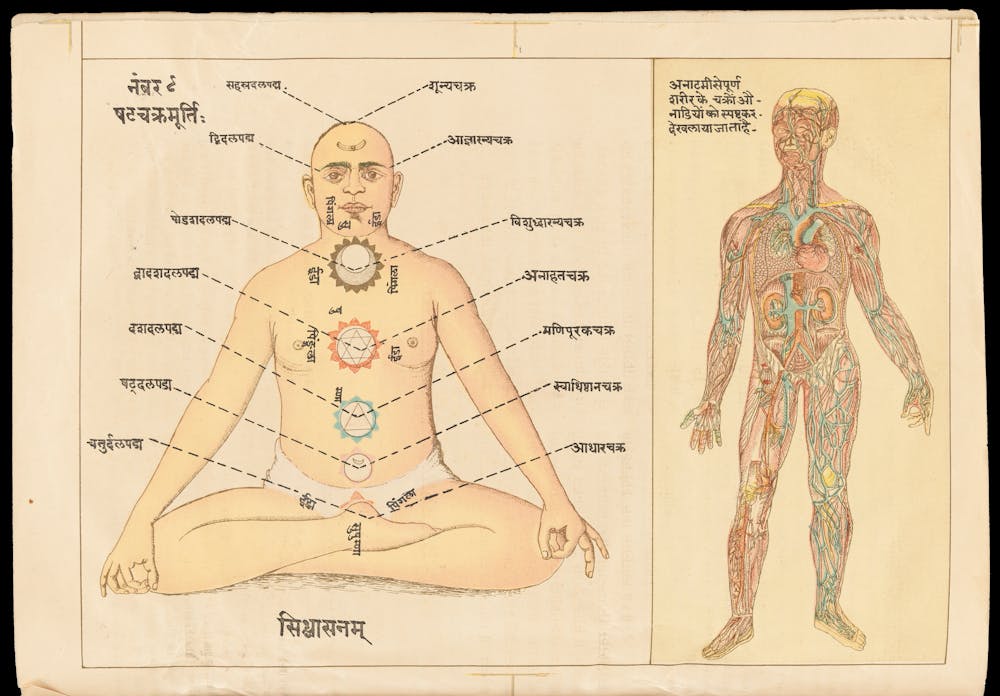


Rachana Sharira is the branch of Ayurveda that deals with the structure of the human body—its organs, tissues, bones, joints, vessels, and microscopic components. It is the Ayurvedic equivalent of anatomy, based on the teachings of classical texts such as Sushruta Saṃhitā, Charaka Saṃhitā, Ashtanga Hridaya, and later commentators. Ayurveda views the body not only as a physical assembly of organs, but as a living system shaped by Doṣa, Dhātu, and Srotas, with spiritual and functional components like Ātma and Manas.
1. Meaning and Aim of Rachana Sharira
“Rachana” means structure or arrangement, and “Sharira” means body.
Rachana Sharira aims to explain:
-
How the body is built
-
How different structures support life
-
How form relates to function
-
How imbalance leads to disease
It helps physicians understand the normal structure, which is essential to recognize abnormalities.
2. Classical Concept of Sharira
According to Ayurveda, the human body is composed of:
(A) Sharira – Gross Body
Includes all visible and tangible structures:
-
Asthi (bones)
-
Sandhi (joints)
-
Mamsa (muscles)
-
Sira, Dhamani, Srotas (vessels & channels)
-
Snayu (ligaments/tendons)
-
Koshtha (abdominal organs)
-
Pratyangas (minor parts)
-
Indriyas (sense organs)
(B) Sukshma Sharira – Subtle/Functional Body
Includes:
-
Atma (soul)
-
Manas (mind)
-
Indriyas (functional sensory & motor faculties)
-
Prana and Doṣas
Ayurveda treats these as integral to understanding health and disease.
3. Garbha Sharira (Embryology)
Ayurvedic embryology—detailed especially by Charaka and Sushruta—explains the formation of the embryo through:
-
Shukra (sperm)
-
Shonita / Artava (ovum)
-
Atma (soul entering the womb)
-
Kala (time)
-
Ahara (nutrition)
-
Garbhashaya (uterus)
Ayurveda describes stages of fetal development:
-
Formation of limbs
-
Development of organs
-
Month-wise growth
-
Factors determining gender, complexion, strength, and deformities
This knowledge guides antenatal care (Garbhini Paricharya).
4. Asthi Sharira (Bones)
Ayurveda gives a detailed structural account of bones:
-
Total bones as per Sushruta: 300
-
As per Charaka: 360 (includes cartilage & smaller osseous parts)
Types of bones (Asthi Bheda):
-
Kapala (flat)
-
Ruchaka (teeth-like)
-
Taruna (cartilaginous)
-
Valaya (ring-shaped)
-
Nadi Pradesha (long bones with marrow)
Ayurveda also explains Asthi Sara, Asthi Kshaya, and signs of bone health.
5. Sira, Dhamani & Srotas (Vascular and Channel System)
Siras
-
Vein-like structures
-
Total according to Sushruta: 700
Dhamanis
-
Channel structures carrying nutrients, impulses, and doshas
-
Total: 24 (10 upward, 10 downward, 4 transverse)
Srotas
-
Functional channels of the body
-
13 major ones (Pranavaha, Rasavaha, Raktavaha, etc.)
-
Each has specific causes of vitiation, symptoms, and treatments
This concept is unique to Ayurveda, linking physiology, pathology, and clinical practice.
6. Mamsa Sharira (Muscular System)
Muscles are described as:
-
Providing shape and strength
-
Covering vital structures
-
Enabling movement
-
Protecting joints
Sushruta describes 500 muscles with functional classifications.
7. Sandhi & Snāyu (Joints and Ligaments)
Sandhis (Joints):
-
Total: 210
-
Types include movable, semi-movable, and immovable joints
-
Joint stability explained through snayu (ligaments) and kapha (joint lubrication)
Snāyu (Ligaments/Tendons):
-
Total: 900
-
Essential for stabilization and motion
These structural details guide the treatment of fractures (bhagna) and sprains (snāyu-bhanga).
8. Indriya Sharira (Sense Organ Anatomy)
Ayurveda explains:
-
Gyanendriyas (eyes, ears, nose, tongue, skin)
-
Karmendriyas (speech, grasping, locomotion, reproduction, excretion)
-
Their relation to mind (Manas) and soul (Atma)
Functional anatomy is emphasized over mere structural description.
9. Marma Sharira (Vital Points)
One of Ayurveda’s most unique contributions:
-
107 marma points
-
Located in muscle, bones, joints, ligaments, vessels
-
Injury leads to pain, disability, or death
-
Crucial in surgery and therapeutic massage (kalari marma chikitsha)
10. Principles of Dissection (Sharira Rachana)
Sushruta explains how to study anatomy by preparing a dead body:
-
The body is kept in running water
-
Wrapped with grass/reeds
-
Allowed to decompose partially
-
Layers are slowly scraped to study structures
This is considered an early form of anatomical dissection.
Summary — Why Rachana Sharira Matters
Rachana Sharira is essential because:
-
It gives a complete understanding of human structure
-
Helps identify normal vs abnormal
-
Provides foundation for surgery, diagnosis, and therapeutics
-
Explains the relationship between form, function, mind, and soul
-
Offers unique concepts like marma and srotas not found in modern anatomy
Ayurveda sees the human body not just as a machine, but as a living, conscious, interconnected system.

No comments:
Post a Comment
If you have any doubts on about Ayurveda treatments about different diseases, different Panchakarma Procedure, Home Remedy, Alternative Medicine, Traditional medicine,Folk medicine,Medicinal Plants, Special diets, Ayurveda medicine ,Complementary medicine LET ME KNOW