Rasaśāstra & Bhaiṣajya Kalpanā — A Complete Overview
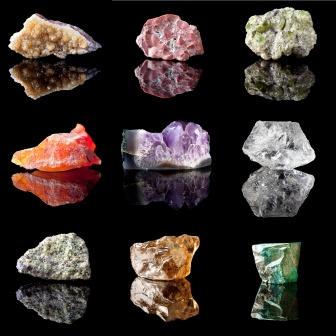
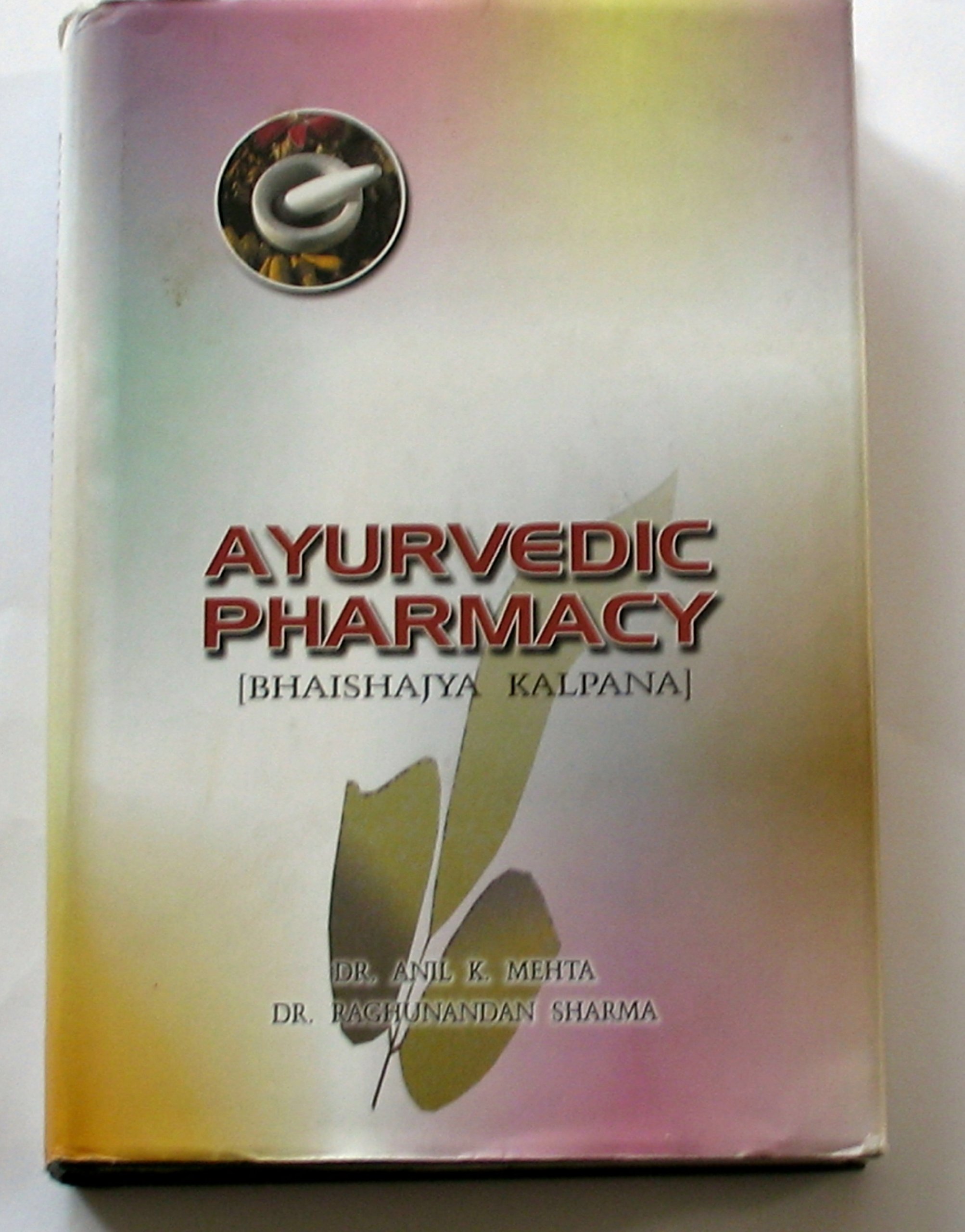


Rasaśāstra and Bhaiṣajya Kalpanā together form the pharmaceutical branch of Ayurveda. While Rasaśāstra focuses on metals, minerals, gems, and mercury-based preparations, Bhaiṣajya Kalpanā deals with herbal drug formulation methods. These two sciences explain how raw substances are purified, processed, combined, and transformed into potent, safe, and therapeutic medicines.
1. RASAŚĀSTRA — The Science of Metals, Minerals & Mercury
Rasaśāstra is a specialized branch of Ayurveda developed mainly after the 8th century CE, focusing on:
-
Rasa dravyas (mercury and allied substances)
-
Dhātu (metals like gold, silver, copper, iron)
-
Upadhātu (secondary metals)
-
Ratna & Uparatna (gems and semi-precious stones)
-
Lohas & Bhasmas (calcined metal/mineral powders)
Core Objectives of Rasaśāstra
-
Purification (Śodhana) — removal of toxins, making substances safe
-
Incineration (Māraṇa) — converting metals/minerals into digestible bhasma
-
Potentiation (Saṃskāra) — enhancing therapeutic strength
-
Preparation of Rasa Aushadhis — fast-acting, low-dose medicines
Rasa medicines are known for:
-
Small dosage (milligram level)
-
Fast action
-
Long shelf life
-
High potency
-
Effectiveness in chronic diseases
2. Key Ingredients of Rasaśāstra
A. Mercury (Pārada)
Considered the king of rasa drugs, used in:
-
Rasasindura
-
Kajjali
-
Makaradhwaja
-
Rasa yogas for chronic diseases
B. Metals (Dhātus)
Converted into bhasma:
Gold, silver, copper, iron, tin, lead, etc.
C. Minerals (Uparasa & Somas)
Haratala, Manashila, Hingula, Gairika, etc.
D. Gems (Ratna)
Used after purification:
Ruby (Manikya), Pearl (Mukta), Diamond (Heera)
3. Important Processes in Rasaśāstra
1. Śodhana (Purification)
Removes impurities and toxic effects using heat, liquids, herbal decoctions.
2. Māraṇa (Incineration)
Converting metals/minerals into soft, absorbable bhasma.
3. Jarana, Amritikarana, Satvapatana
Special methods to enhance safety and bioavailability.
4. Preparation of Kajjali
A black sulphide used as a base for many rasa formulations.
4. Importance of Rasa Medicines
They are especially useful in:
-
Diabetes (Prameha)
-
Respiratory diseases
-
Neurological disorders
-
Chronic fevers
-
Tuberculosis
-
Digestive disorders
-
Skin diseases
-
Autoimmune and degenerative disorders
When prepared by classical methods, these medicines are safe, powerful, and quick-acting.
5. BHAIṢAJYA KALPANĀ — The Science of Ayurvedic Pharmacy
Bhaiṣajya Kalpanā explains how herbal, mineral, and animal-origin substances are prepared into therapeutic formulations. It forms the backbone of Ayurvedic drug manufacturing.
Primary Goals of Bhaiṣajya Kalpanā
-
Make medicines effective
-
Make them safe
-
Make them shelf-stable
-
Make them easy to administer
6. The Five Basic Preparations (Pañca Vidha Kaṣāya Kalpanā)
These are the foundation of all Ayurvedic formulations:
-
Svarasa – fresh juice
-
Kalka – paste
-
Kwatha – decoction
-
Hima – cold infusion
-
Phanta – hot infusion
All other complex medicines are derived from these.
7. Major Dosage Forms in Bhaiṣajya Kalpanā
1. Churna – powder
2. Vati/Gutika – tablets
3. Avaleha/Lehya – herbal jams (e.g., Chyawanprash)
4. Asava–Ariṣṭa – fermented medicines (e.g., Arishtams)
5. Ghrita – medicated ghee (e.g., Brahmi Ghrita)
6. Taila – medicated oils (e.g., Dhanwantara Taila)
7. Bhasma – calcined powders
8. Rasakriya – herbal extracts
9. Lepa – external pastes
Each form is selected depending on disease, doṣa, age, and strength of patient.
8. Principles of Drug Formulation
Ayurveda bases medicine preparation on:
-
Rasa–Guṇa–Vīrya–Vipāka–Prabhāva
-
Doṣa involvement
-
Srotas affected
-
Disease stage (Avasthā)
-
Proper Anupāna (vehicle)—ghee, honey, milk, warm water, etc.
-
Kala (timing)—before/after food, morning/evening
These principles make every Ayurvedic formulation purposeful and personalized.
9. Differences Between Rasaśāstra and Bhaiṣajya Kalpanā
| Feature | Rasaśāstra | Bhaiṣajya Kalpanā |
|---|---|---|
| Focus | Metals, minerals, mercury | Herbal + mixed formulations |
| Action | Fast, potent, low dose | Mild to moderate, safe |
| Use | Chronic, stubborn diseases | General formulations |
| Shelf life | Long | Medium |
| Safety requirement | Strict purification | Lesser purification |
Both are complementary and essential in Ayurveda.
Summary — What Rasaśāstra & Bhaiṣajya Kalpanā Teach
-
How medicinal substances are purified and processed
-
How herbs and minerals are converted into potent medicines
-
How formulations are designed based on doṣa, disease, and patient
-
How Ayurveda creates stable, safe, and effective treatments
-
The scientific foundation of Ayurvedic pharmacy
Together, they form the heart of Ayurvedic pharmaceutics, enabling physicians to prescribe medicines with precision.

No comments:
Post a Comment
If you have any doubts on about Ayurveda treatments about different diseases, different Panchakarma Procedure, Home Remedy, Alternative Medicine, Traditional medicine,Folk medicine,Medicinal Plants, Special diets, Ayurveda medicine ,Complementary medicine LET ME KNOW