Roga Nidāna (Ayurvedic Diagnostics & Pathology) — A Complete Overview

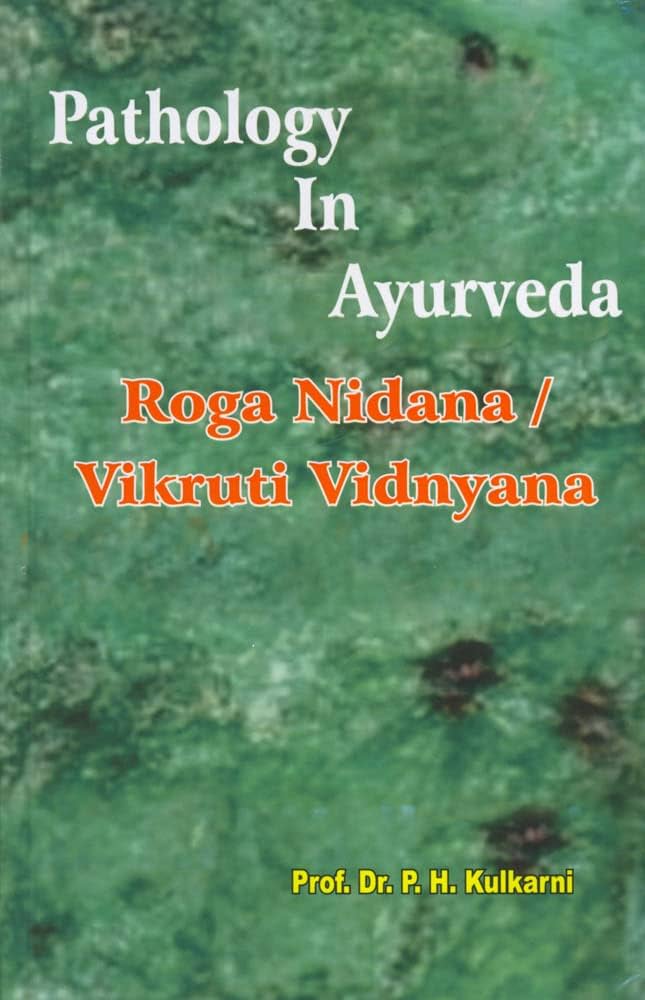

Roga Nidāna is the branch of Ayurveda that deals with the diagnosis, causes, and understanding of diseases. It includes the study of Nidāna (etiology), Purvarupa (prodromal symptoms), Rupa (clinical features), Samprapti (pathogenesis), Upashaya-Anupashaya (therapeutic tests), and Bheda (classification). Together, these form the Nidāna Pañchaka, the five pillars of Ayurvedic diagnosis. Roga Nidāna helps the physician identify diseases correctly and understand how and why disease develops in the body.
Ayurveda views disease not as a sudden event but as the final stage of a long internal imbalance, beginning with faulty diet, habits, lifestyle, emotions, and dosha disturbances. The purpose of Roga Nidāna is to identify disease at its earliest stage, prevent progression, and support accurate treatment planning.
1. Nidāna (Causes & Etiological Factors)
Nidāna are the root causes of disease initiation. They may be:
-
Aharaja (diet-related) – wrong food, incompatible food, overeating
-
Viharaja (lifestyle-related) – lack of exercise, night work, stress
-
Manasika (psychological) – anger, fear, grief, jealousy
-
Agantuja (external) – trauma, infection, poison
Ayurveda emphasizes that avoiding Nidāna (Nidāna Parivarjana) is the first and most important step in treatment.
2. Pūrvarūpa (Prodromal Symptoms)
These are early signs that indicate a disease is developing but has not fully manifested.
Examples:
-
Heaviness before fever
-
Burning before Pitta disorders
-
Indigestion before Grahaṇi
-
Fatigue before Prameha
Early detection through Pūrvarūpa helps in prevention and early intervention.
3. Rūpa (Symptoms / Clinical Features)
Rūpa are the main signs and symptoms by which the disease is recognized.
These include:
-
Objective signs (fever, swelling, cough)
-
Subjective symptoms (pain, weakness, nausea)
Rūpa reveals the stage, severity, and dosha involvement of a disease.
4. Samprāpti (Pathogenesis)
Samprāpti explains how a disease develops step-by-step.
It includes:
-
Dosha vitiation
-
Affected tissues (Dhatus)
-
Channel involvement (Srotas)
-
Spread of disease
-
Strength of patient and disease (Bala)
Types of Samprāpti:
-
Sama / Nirama (with or without ama)
-
Sthānika / Sāra (localized / systemic)
-
Kriya Kalas (six stages of disease development)
The Six Kriya Kalas (Staged Pathology)
-
Sanchaya – accumulation of doshas
-
Prakopa – aggravation
-
Prasara – spread
-
Sthana Samshraya – localization
-
Vyakti – manifestation
-
Bheda – complications
This scientific model explains preventive medicine and early diagnosis.
5. Upashaya – Anupashaya (Therapeutic Diagnosis)
A unique Ayurvedic diagnostic tool.
Upashaya:
If a symptom improves after a specific food/medicine, it indicates the dosha involved.
Anupashaya:
If symptoms worsen after a substance, it helps identify pathology.
Example:
-
Symptoms improving with heat = Vata/Kapha involvement
-
Symptoms improving with cooling = Pitta involvement
This method is equivalent to modern therapeutic tests.
6. Bheda (Classification of Disease)
Diseases are classified into:
-
Doṣaja (due to dosha imbalance)
-
Dūṣya-based (according to dhātvic involvement)
-
Srotas-based
-
Agantuja (traumatic/infective)
-
Manasika (psychological)
-
Vyādhi-Sankara (mixed diseases)
-
Sādhya–Asādhya (prognosis)
This helps the physician determine treatment difficulty and prognosis.
7. Methods of Examination (Parīkṣā)
Ayurveda examines both:
A. Rogi (Patient)
-
Prakriti (constitution)
-
Vikriti (current imbalance)
-
Agni
-
Bala
-
Satva
-
Srotas
-
Ojas
-
Desha, Kala, Vaya
B. Roga (Disease)
-
Doṣa
-
Dūṣya
-
Srotas
-
Hetu
-
Samprāpti
-
Avasthā (stage)
Eight Classical Examinations (Ashtavidha Parīkṣā)
-
Nadi (pulse)
-
Mutra (urine)
-
Mala (stool)
-
Jihvā (tongue)
-
Shabda (voice)
-
Sparsha (touch)
-
Drik (eyes)
-
Akruti (body form)
8. Important Texts in Roga Nidāna
-
Charaka Nidāna Sthāna
-
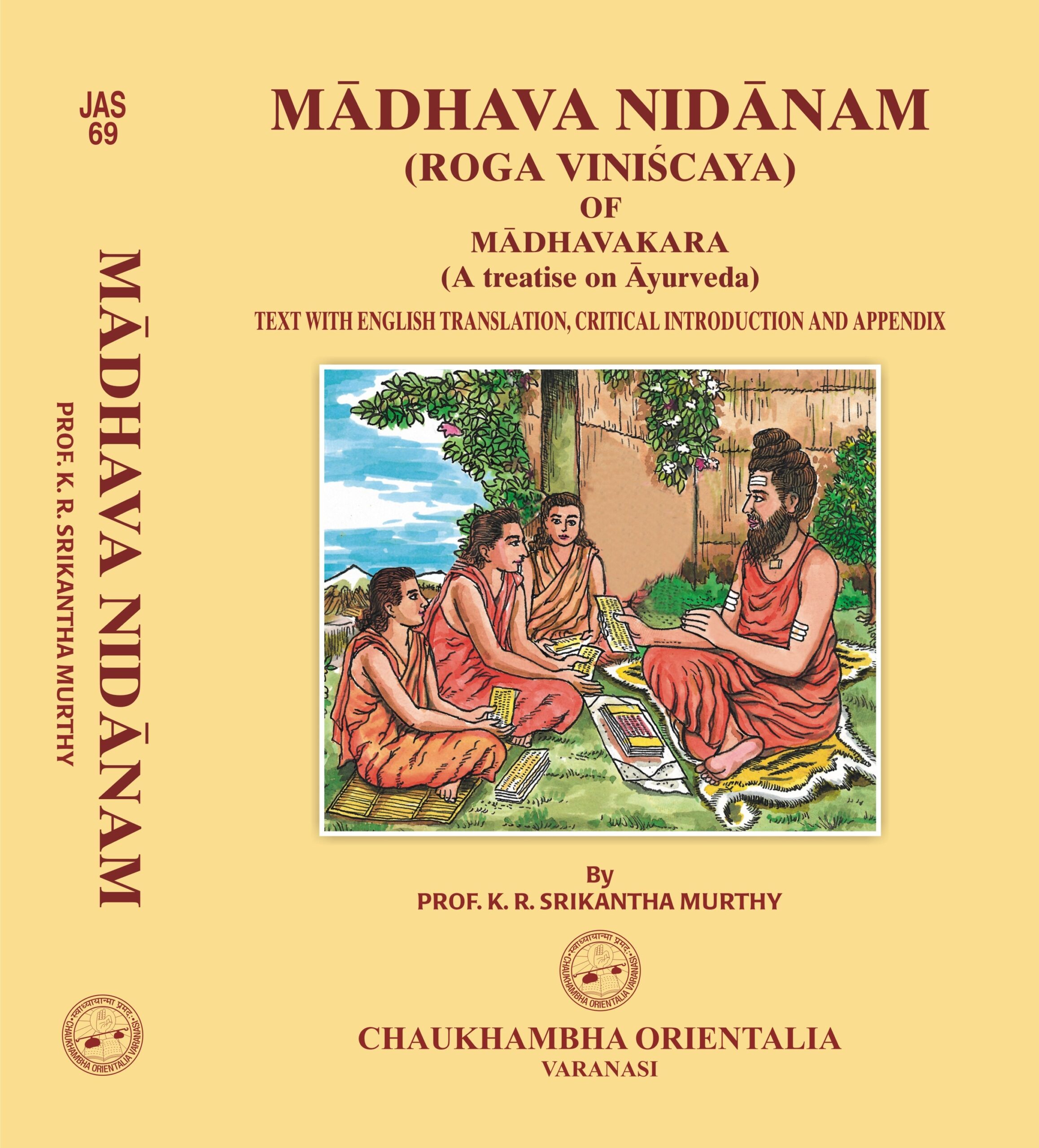
Madhava Nidāna – the most systematic diagnostic textbook
-
Sushruta Nidāna
-
Vagbhata Nidāna Sthāna
Madhava Nidāna especially gives detailed descriptions of:
-
Jwara
-
Prameha
-
Kushta
-
Atisara
-
Rajayakshma
-
Arsha
-
Unmada
-
Apasmara
It remains a cornerstone for diagnostic study.
Summary — What Roga Nidāna Teaches
-
Why disease occurs (Nidāna)
-
How disease begins (Pūrvarupa)
-
How disease appears (Rūpāni)
-
How disease develops (Samprāpti)
-
How to confirm disease (Upashaya)
-
How to classify disease (Bheda)
-
How to examine patient & disease
Roga Nidāna is the scientific foundation of Ayurvedic diagnosis, enabling precise understanding and successful treatment.

No comments:
Post a Comment
If you have any doubts on about Ayurveda treatments about different diseases, different Panchakarma Procedure, Home Remedy, Alternative Medicine, Traditional medicine,Folk medicine,Medicinal Plants, Special diets, Ayurveda medicine ,Complementary medicine LET ME KNOW