നറുനീണ്ടിക്കിഴങ്ങിൻ്റെ ഗുണം
സംഗ്രാഹിണീ ച ശിശിരാ
ശാരിബാ കഫപിത്തജിത്
തൃഷ്ണാരുചി പ്രശമനീ
രക്തപിത്താപഹാ സ്മൃതം
(ഭൈഷജ്യരത്നാവലി – ഹിക്കാശ്വാസചികിത്സ)
ഇന്ദ്രവാരുണികാദി ചൂർണം എന്നത് ശ്വാസകോശ സംബന്ധമായ രോഗങ്ങളുടെ ചികിത്സയ്ക്കായി ഭൈഷജ്യരത്നാവലി ഗ്രന്ഥത്തിൽ പരാമർശിക്കുന്ന ഒരു പ്രധാന ഔഷധയോഗമാണ്. പ്രത്യേകിച്ച് ഹിക്ക (hiccough), ശ്വാസ (dyspnoea/asthma) എന്നിവയുടെ ചികിത്സയിൽ ഇത് ഫലപ്രദമായി ഉപയോഗിക്കുന്നു. ദോഷവൈകല്യം മൂലമുണ്ടാകുന്ന ശ്വാസതടസ്സങ്ങളും കഫസഞ്ചയവും നീക്കുന്നതിൽ ഈ യോഗം പ്രത്യേകം പ്രാധാന്യമർഹിക്കുന്നു.
ഇന്ദ്രവാരുണികാദി ചൂർണം നാലു പ്രധാന ഔഷധദ്രവ്യങ്ങൾ ചേർന്നതാണ്. അവയാണ്:
ഇന്ദ്രവാരുണികാമൂലം
ദേവദാരു
കടുത്രയം (ശുണ്ഠി, മാരിചം, പിപ്പലി)
ശർക്കര
ഇവയെല്ലാം സമാന അളവിൽ (ഓരോന്നും 48 ഗ്രാം വീതം) എടുത്ത് ചൂർണരൂപത്തിൽ തയ്യാറാക്കുന്നു. ഔഷധങ്ങളുടെ ഗുണധർമ്മങ്ങൾ പരസ്പരം പൂരകമായി പ്രവർത്തിക്കുന്ന തരത്തിലാണ് ഈ സംയോജനം രൂപകൽപ്പന ചെയ്തിരിക്കുന്നത്.
ഇന്ദ്രവാരുണികാമൂലം കഫനാശകവും ശ്വാസവാഹിനീശോധകവുമായ ഗുണങ്ങൾ പുലർത്തുന്നു. ദേവദാരു വാത-കഫശമനത്തിനും ശ്വാസതടസ്സം കുറയ്ക്കുന്നതിനും സഹായിക്കുന്നു. കടുത്രയം അഗ്നിദീപകവും ആമനാശകവും ആയതിനാൽ ശ്വാസരോഗങ്ങളിൽ അടിസ്ഥാനം വഹിക്കുന്ന ആമസഞ്ചയം കുറയ്ക്കുന്നു. ശർക്കര യോഗത്തിന് മൃദുത്വം നൽകുകയും കഫവാത ശമനത്തിൽ സഹായകമാകുകയും ചെയ്യുന്നു.
ഈ ചൂർണം ഉചിതമായ അനുപാനത്തോടുകൂടി (ഉദാഹരണം: തേൻ, ഉഷ്ണജലം) രോഗിയുടെ ദോഷാവസ്ഥ അനുസരിച്ച് നൽകുന്നു. ഹിക്കയും ശ്വാസവും ഉള്ള രോഗികളിൽ, വൈദ്യന്റെ നിർദ്ദേശപ്രകാരം ഇത് ഉപയോഗിക്കണം.
ഇന്ദ്രവാരുണികാദി ചൂർണം വാതകഫദോഷപ്രധാനമായ ശ്വാസരോഗങ്ങളിൽ വളരെ പ്രയോജനകരമാണ്. പ്രത്യേകിച്ച് ആവർത്തിച്ചുണ്ടാകുന്ന ഹിക്ക, ശ്വാസംമുട്ടൽ, നെഞ്ചിലെ ഭാരം, കഫസഞ്ചയം തുടങ്ങിയ ലക്ഷണങ്ങൾ കുറയ്ക്കുന്നതിൽ ഈ യോഗം നല്ല ഫലങ്ങൾ നൽകുന്നു. അതിനാൽ തന്നെ ശ്വാസരോഗ ചികിത്സയിൽ ഈ ചൂർണം ഒരു വിശ്വാസയോഗ്യമായ ആയുർവേദ ഔഷധയോഗമായി പരിഗണിക്കപ്പെടുന്നു
ഇന്ദ്രവാരുണികാദി ചൂർണം പ്രധാനമായും വാത–കഫ ദോഷപ്രാധാന്യമുള്ള ശ്വാസരോഗങ്ങളിൽ ഉപയോഗിക്കപ്പെടുന്ന ഔഷധയോഗമാണ്. രോഗിയുടെ ദോഷാവസ്ഥ അനുസരിച്ച് അനുപാനവും അളവും ക്രമീകരിക്കേണ്ടതാണ്.
ലക്ഷണങ്ങൾ:
കഫസഞ്ചയം, നെഞ്ചിലെ ഭാരത്വം, ശ്വാസതടസ്സം, ശ്ലേഷ്മസ്രാവം, ഗുരുത്വം.
പ്രയോഗം:
അനുപാനം: തേൻ
കാരണം: തേൻ കഫച്ഛേദകവും യോഗവാഹിയും ആയതിനാൽ ചൂർണത്തിന്റെ പ്രവർത്തനം ശ്വാസവാഹിനികളിലേക്ക് വേഗത്തിൽ എത്തിക്കുന്നു.
ഫലം: കഫവിഘടനം, ശ്വാസവാഹിനീശോധനം.
ലക്ഷണങ്ങൾ:
വേഗത്തിലുള്ള ശ്വാസം, വരണ്ട ചുമ, നെഞ്ചുവേദന, രാത്രികാല ശ്വാസതടസ്സം.
പ്രയോഗം:
അനുപാനം: ഉഷ്ണജലം അല്ലെങ്കിൽ ഇളിച്ചെണ്ണ ചേർത്ത ഉഷ്ണജലം
കാരണം: ഉഷ്ണവും സ്നിഗ്ധവുമായ അനുപാനം വാതശമനത്തിന് സഹായിക്കുന്നു.
ഫലം: ശ്വാസവാഹിനികളിലെ വാതപ്രകോപം കുറയുന്നു.
ലക്ഷണങ്ങൾ:
മാറിമാറിയുള്ള ശ്വാസതടസ്സം, കഫസഞ്ചയവും വരണ്ടത്വവും ഒരുമിച്ച് കാണപ്പെടുക.
പ്രയോഗം:
അനുപാനം: തേനും ഉഷ്ണജലവും ചേർത്ത്
ഫലം: വാത–കഫ ശമനം, ശ്വാസസൗകര്യം.
പിത്തലക്ഷണങ്ങൾ ശക്തമായിരിക്കുമ്പോൾ (ദാഹം, ഉഷ്ണം) ഈ യോഗം ജാഗ്രതയോടെ മാത്രം ഉപയോഗിക്കണം.
അനുപാനം: ശീതളമായ പാൽ അല്ലെങ്കിൽ കഫപിത്തശമക ദ്രവ്യങ്ങളോടൊപ്പം.
(Ayurveda vs Modern Medicine Perspective)
| ആയുർവേദ രോഗാവസ്ഥ | ആധുനിക രോഗനാമം | ഇന്ദ്രവാരുണികാദി ചൂർണത്തിന്റെ സാധ്യത |
|---|---|---|
| ശ്വാസ (താമക ശ്വാസം) | Bronchial Asthma | ബ്രോങ്കോഡൈലേഷൻ, കഫനാശനം, ശ്വാസസൗകര്യം |
| ഹിക്ക | Persistent hiccups | നാഡീ ഉത്തേജന നിയന്ത്രണം, ഡയാഫ്രാഗം ശമനം |
| കഫജ കാശം | Chronic bronchitis | മ്യൂക്കസ് കുറയ്ക്കൽ, airway clearance |
| വാതജ കാശം | Dry cough / Hyperventilation | വാതശമനം, നാഡീസ്ഥിരത |
| പ്രാണവാഹസ്രോതോരോധം | Airway obstruction | സ്രോതസ്സുകളുടെ ശോധനം |
ആധുനിക ചികിത്സ:
Bronchodilators
Steroids
Antihistamines
➡️ ലക്ഷണനിയന്ത്രണം (Symptomatic relief)
ആയുർവേദ സമീപനം (ഇന്ദ്രവാരുണികാദി ചൂർണം):
കഫവിഘടനം
വാതാനുലോമനം
അഗ്നിദീപനം
➡️ സ്രോതോശുദ്ധിയും ദോഷസമത്വവും (Root-level correction)
ദീർഘകാല സ്റ്റിറോയ്ഡ് ആശ്രിതരായ ആസ്ത്മ രോഗികളിൽ
ആവർത്തിക്കുന്ന ശ്വാസതടസ്സം ഉള്ളവരിൽ
ഹിക്ക ദീർഘകാലമായി തുടരുന്ന കേസുകളിൽ
സഹചികിത്സയായി (Adjuvant therapy) ഈ യോഗം മികച്ച ഫലങ്ങൾ നൽകാൻ സാധ്യതയുണ്ട്.
ഇന്ദ്രവാരുണികാദി ചൂർണം ശ്വാസരോഗങ്ങളെ ലക്ഷണമാത്രമായി അല്ല,
ദോഷ–സ്രോതസ്സ്–അഗ്നി അടിസ്ഥാനത്തിൽ വിലയിരുത്തുന്ന ആയുർവേദ ദർശനത്തിന്റെ ശക്തമായ ഉദാഹരണമാണ്.
ദോഷാനുസൃത പ്രയോഗം കൃത്യമായി പാലിക്കുമ്പോൾ, ആധുനിക ശ്വാസരോഗങ്ങളോടും ഫലപ്രദമായി ഇതിനെ ബന്ധിപ്പിച്ച് ഉപയോഗിക്കാം


Sanskrit and Saṃhitā Adhyayan form the intellectual foundation of Ayurvedic education. Ayurveda is a classical Indian medical science, and its authentic knowledge is preserved in Sanskrit-language Saṃhitās like Charaka Saṃhitā, Suśruta Saṃhitā, and Aṣṭāṅga Hṛdaya. Therefore, understanding Sanskrit along with systematic Saṃhitā study is essential to correctly interpret concepts, apply them clinically, and preserve the original depth of Ayurvedic principles.
Sanskrit is not just a language but a scientific medium of knowledge. Ayurveda’s core concepts—like doṣa, dhātu, mala, agni, srotas, chikitsā, rasāyana, nidāna—originate from Sanskrit and carry layered meanings that cannot be fully translated.
Original Ayurvedic texts are in Sanskrit.
All classical Saṃhitās, Nighaṇṭus, and commentaries were written in Sanskrit verses.
Precise terminology.
Sanskrit words like Vāta, Pitta, Ama, Ojas carry philosophical, anatomical, and physiological meanings simultaneously.
Accuracy of interpretation.
Translation often reduces meaning or creates errors in clinical application.
Easier memorization through meters (chandas).
Saṃhitā verses are designed for oral tradition.
Foundation for understanding commentaries (ṭīkās).
Scholars like Cakrapāṇi, Dalhaṇa, and Aruṇadatta wrote explanations in Sanskrit.
Thus, Sanskrit strengthens the physician’s ability to think, interpret, and practice Ayurveda authentically.
Saṃhitā Adhyayan means the structured and in-depth study of classical Ayurvedic treatises. This is considered the soul of Ayurveda learning.
Charaka Saṃhitā – Internal medicine, Nidāna, physiology, Agni, Rasāyana, Pancakarma
Suśruta Saṃhitā – Surgery, anatomy, marma, Shalya & Shalakya Tantra
Aṣṭāṅga Hṛdaya – Complete Ayurveda in concise poetic form
Along with these, Aṣṭāṅga Saṃgraha and Kāśyapa Saṃhitā strengthen foundational knowledge.
Breaking complex Sanskrit compounds into meaningful units.
Reconstructing verses into clear, readable prose.
Understanding verb roots, cases, prefixes, and meaning shifts.
Extracting clinical and philosophical intent behind verses.
Learning explanations by Cakrapāṇi, Dalhaṇa, Aruṇadatta, Hemādri for accurate interpretation.
Applying textual knowledge to diagnosis, treatment, and research.
Saṃhitā study transforms raw information into clinical wisdom.
Builds strong theoretical foundation
Ayurveda is concept-driven; Saṃhitās explain the logic behind every disease and treatment.
Strengthens diagnostic skills
Understanding Nidāna Pañchaka, Doṣa-Vyādhi Sambandha, Samprāpti, and Chikitsā Sūtras becomes easier.
Guides practical treatment
Formulations, Panchakarma, Rasāyana, and regimen-based treatments are text-based.
Preserves classical authenticity
Prevents dilution or misinterpretation of ancient knowledge.
Supports higher studies and research
Without Saṃhitā knowledge, M.S., M.D., research, or teaching becomes incomplete.
Today, Sanskrit knowledge helps practitioners:
Read original manuscripts
Compare editions and variations
Understand deeper clinical logic behind verses
Avoid therapeutic errors due to mistranslation
Contribute to research, publication, and teaching
Strengthen Ayurveda globally with correct interpretation
Even modern scholars acknowledge that Ayurveda cannot be separated from its Saṃskṛta Śāstra-mūla.
Sutra Sthāna – fundamentals, diet, lifestyle
Nidāna Sthāna – pathology
Vimāna Sthāna – examination, concepts
Śārīra – embryology
Cikitsā – treatments
Kalpa/Siddhi – Panchakarma
Sutra – surgical basics
Śārīra – anatomy, marma
Nidāna – surgical diseases
Cikitsā – operative treatments
Sutra – fundamentals
Nidāna – diseases
Śārīra – physiology
Cikitsā – treatments, diet, Panchakarma
Saṃhitā Adhyayan ensures a complete understanding of these foundational teachings.
Sanskrit provides precision, depth, and clarity.
Saṃhitā Adhyayan provides authentic Ayurvedic knowledge.
Together, they develop a scientific, philosophical, and clinical understanding of Ayurveda.
They empower students to become skilled clinicians, researchers, and teachers.
Without these two subjects, Ayurvedic education becomes incomplete.
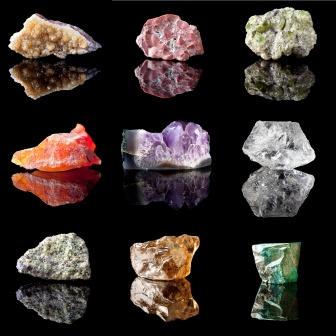


Rasaśāstra and Bhaiṣajya Kalpanā together form the pharmaceutical branch of Ayurveda. While Rasaśāstra focuses on metals, minerals, gems, and mercury-based preparations, Bhaiṣajya Kalpanā deals with herbal drug formulation methods. These two sciences explain how raw substances are purified, processed, combined, and transformed into potent, safe, and therapeutic medicines.
Rasaśāstra is a specialized branch of Ayurveda developed mainly after the 8th century CE, focusing on:
Rasa dravyas (mercury and allied substances)
Dhātu (metals like gold, silver, copper, iron)
Upadhātu (secondary metals)
Ratna & Uparatna (gems and semi-precious stones)
Lohas & Bhasmas (calcined metal/mineral powders)
Purification (Śodhana) — removal of toxins, making substances safe
Incineration (Māraṇa) — converting metals/minerals into digestible bhasma
Potentiation (Saṃskāra) — enhancing therapeutic strength
Preparation of Rasa Aushadhis — fast-acting, low-dose medicines
Rasa medicines are known for:
Small dosage (milligram level)
Fast action
Long shelf life
High potency
Effectiveness in chronic diseases
Considered the king of rasa drugs, used in:
Rasasindura
Kajjali
Makaradhwaja
Rasa yogas for chronic diseases
Converted into bhasma:
Gold, silver, copper, iron, tin, lead, etc.
Haratala, Manashila, Hingula, Gairika, etc.
Used after purification:
Ruby (Manikya), Pearl (Mukta), Diamond (Heera)
Removes impurities and toxic effects using heat, liquids, herbal decoctions.
Converting metals/minerals into soft, absorbable bhasma.
Special methods to enhance safety and bioavailability.
A black sulphide used as a base for many rasa formulations.
They are especially useful in:
Diabetes (Prameha)
Respiratory diseases
Neurological disorders
Chronic fevers
Tuberculosis
Digestive disorders
Skin diseases
Autoimmune and degenerative disorders
When prepared by classical methods, these medicines are safe, powerful, and quick-acting.
Bhaiṣajya Kalpanā explains how herbal, mineral, and animal-origin substances are prepared into therapeutic formulations. It forms the backbone of Ayurvedic drug manufacturing.
Make medicines effective
Make them safe
Make them shelf-stable
Make them easy to administer
These are the foundation of all Ayurvedic formulations:
Svarasa – fresh juice
Kalka – paste
Kwatha – decoction
Hima – cold infusion
Phanta – hot infusion
All other complex medicines are derived from these.
Each form is selected depending on disease, doṣa, age, and strength of patient.
Ayurveda bases medicine preparation on:
Rasa–Guṇa–Vīrya–Vipāka–Prabhāva
Doṣa involvement
Srotas affected
Disease stage (Avasthā)
Proper Anupāna (vehicle)—ghee, honey, milk, warm water, etc.
Kala (timing)—before/after food, morning/evening
These principles make every Ayurvedic formulation purposeful and personalized.
| Feature | Rasaśāstra | Bhaiṣajya Kalpanā |
|---|---|---|
| Focus | Metals, minerals, mercury | Herbal + mixed formulations |
| Action | Fast, potent, low dose | Mild to moderate, safe |
| Use | Chronic, stubborn diseases | General formulations |
| Shelf life | Long | Medium |
| Safety requirement | Strict purification | Lesser purification |
Both are complementary and essential in Ayurveda.
How medicinal substances are purified and processed
How herbs and minerals are converted into potent medicines
How formulations are designed based on doṣa, disease, and patient
How Ayurveda creates stable, safe, and effective treatments
The scientific foundation of Ayurvedic pharmacy
Together, they form the heart of Ayurvedic pharmaceutics, enabling physicians to prescribe medicines with precision.


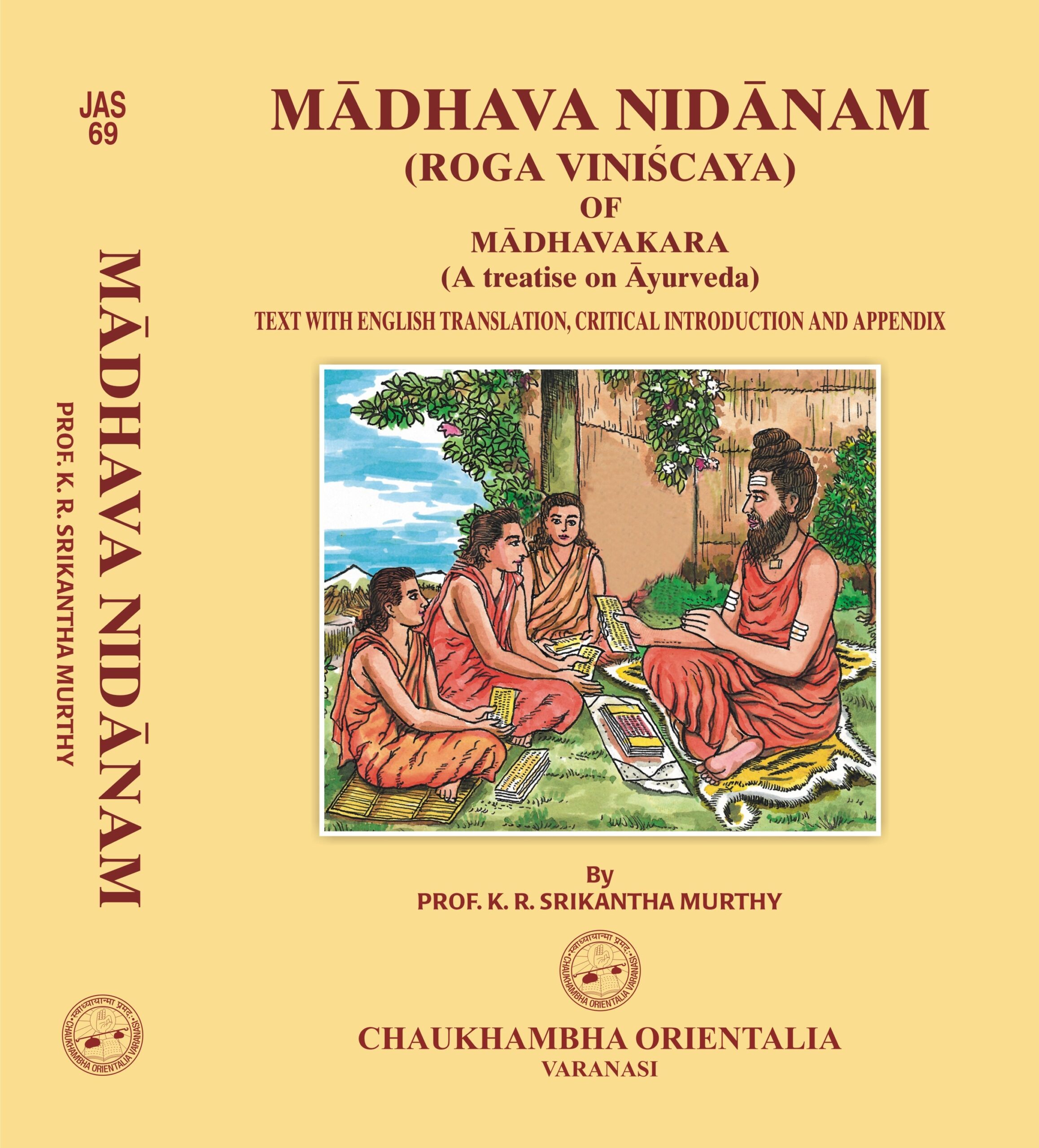
Roga Nidāna is the branch of Ayurveda that deals with the diagnosis, causes, and understanding of diseases. It includes the study of Nidāna (etiology), Purvarupa (prodromal symptoms), Rupa (clinical features), Samprapti (pathogenesis), Upashaya-Anupashaya (therapeutic tests), and Bheda (classification). Together, these form the Nidāna Pañchaka, the five pillars of Ayurvedic diagnosis. Roga Nidāna helps the physician identify diseases correctly and understand how and why disease develops in the body.
Ayurveda views disease not as a sudden event but as the final stage of a long internal imbalance, beginning with faulty diet, habits, lifestyle, emotions, and dosha disturbances. The purpose of Roga Nidāna is to identify disease at its earliest stage, prevent progression, and support accurate treatment planning.
Nidāna are the root causes of disease initiation. They may be:
Aharaja (diet-related) – wrong food, incompatible food, overeating
Viharaja (lifestyle-related) – lack of exercise, night work, stress
Manasika (psychological) – anger, fear, grief, jealousy
Agantuja (external) – trauma, infection, poison
Ayurveda emphasizes that avoiding Nidāna (Nidāna Parivarjana) is the first and most important step in treatment.
These are early signs that indicate a disease is developing but has not fully manifested.
Examples:
Heaviness before fever
Burning before Pitta disorders
Indigestion before Grahaṇi
Fatigue before Prameha
Early detection through Pūrvarūpa helps in prevention and early intervention.
Rūpa are the main signs and symptoms by which the disease is recognized.
These include:
Objective signs (fever, swelling, cough)
Subjective symptoms (pain, weakness, nausea)
Rūpa reveals the stage, severity, and dosha involvement of a disease.
Samprāpti explains how a disease develops step-by-step.
It includes:
Dosha vitiation
Affected tissues (Dhatus)
Channel involvement (Srotas)
Spread of disease
Strength of patient and disease (Bala)
Sama / Nirama (with or without ama)
Sthānika / Sāra (localized / systemic)
Kriya Kalas (six stages of disease development)
Sanchaya – accumulation of doshas
Prakopa – aggravation
Prasara – spread
Sthana Samshraya – localization
Vyakti – manifestation
Bheda – complications
This scientific model explains preventive medicine and early diagnosis.
A unique Ayurvedic diagnostic tool.
If a symptom improves after a specific food/medicine, it indicates the dosha involved.
If symptoms worsen after a substance, it helps identify pathology.
Example:
Symptoms improving with heat = Vata/Kapha involvement
Symptoms improving with cooling = Pitta involvement
This method is equivalent to modern therapeutic tests.
Diseases are classified into:
Doṣaja (due to dosha imbalance)
Dūṣya-based (according to dhātvic involvement)
Srotas-based
Agantuja (traumatic/infective)
Manasika (psychological)
Vyādhi-Sankara (mixed diseases)
Sādhya–Asādhya (prognosis)
This helps the physician determine treatment difficulty and prognosis.
Ayurveda examines both:
Prakriti (constitution)
Vikriti (current imbalance)
Agni
Bala
Satva
Srotas
Ojas
Desha, Kala, Vaya
Doṣa
Dūṣya
Srotas
Hetu
Samprāpti
Avasthā (stage)
Nadi (pulse)
Mutra (urine)
Mala (stool)
Jihvā (tongue)
Shabda (voice)
Sparsha (touch)
Drik (eyes)
Akruti (body form)
Charaka Nidāna Sthāna
Madhava Nidāna – the most systematic diagnostic textbook
Sushruta Nidāna
Vagbhata Nidāna Sthāna
Madhava Nidāna especially gives detailed descriptions of:
Jwara
Prameha
Kushta
Atisara
Rajayakshma
Arsha
Unmada
Apasmara
It remains a cornerstone for diagnostic study.
Why disease occurs (Nidāna)
How disease begins (Pūrvarupa)
How disease appears (Rūpāni)
How disease develops (Samprāpti)
How to confirm disease (Upashaya)
How to classify disease (Bheda)
How to examine patient & disease
Roga Nidāna is the scientific foundation of Ayurvedic diagnosis, enabling precise understanding and successful treatment.
Dravyaguṇa Vijñāna (Ayurvedic Pharmacology) — A Complete Overview


Dravyaguṇa Vijñāna is the branch of Ayurveda that deals with the properties, actions, and therapeutic uses of medicinal substances, mainly herbs. It is comparable to modern pharmacology and pharmacognosy, but with a more holistic approach. Instead of focusing only on chemical constituents, Ayurveda evaluates a substance based on its inherent qualities, energy, taste, and post-digestive effect. This knowledge forms the foundation of Ayurvedic treatment.
Dravya = medicinal substance (plant, mineral, animal origin)
Guṇa = qualities
Vijñāna = scientific understanding
Thus, Dravyaguṇa Vijñāna means the science that explains a drug’s nature, qualities, actions, and therapeutic value.
Ayurveda uses three primary sources:
Vanaspati (Plants) – roots, leaves, bark, flowers, fruits, seeds
Pashu (Animal products) – milk, ghee, honey, bile, etc.
Minerals & Metals – gold, copper, mica, sulphur (after proper purification)
Plants form the largest group, making Ayurveda the world’s oldest herbal medicine system.
Ayurveda evaluates every drug using six characteristics:
Six tastes: madhura, amla, lavaṇa, kaṭu, tikta, kaṣāya.
Taste reflects the basic pharmacological nature of the drug.
20 qualities like heavy/light, oily/dry, cold/hot, soft/hard.
They influence how a drug behaves in the body.
Heating (uṣṇa)
Cooling (śīta)
Determines immediate therapeutic effect.
Three types: madhura, amla, kaṭu.
Represents long-term metabolic action.
Unique or unexplained special effect not covered by rasa-guṇa-vīrya-vipāka.
Example: Guggulu reduces cholesterol despite heavy nature.
Actions like Vatanulomana, Deepana, Pachana, Rasayana, Lekhana, Bhedana, Shothahara etc.
Together, they determine a drug’s complete pharmacological profile.
Every drug is made of five elements — Prithvi, Ap, Teja, Vayu, Akasha.
Their proportion decides:
drug strength
drug action
suitable diseases
impact on doṣas
Example: Tejas-dominant drugs reduce Kapha; Ap-dominant drugs nourish tissues.
A fundamental rule:
Like increases like (Sāmānya principle)
Opposite decreases opposite (Viśeṣa principle)
Thus:
Hot drugs ↓ Vata & Kapha, ↑ Pitta
Cold drugs ↓ Pitta, ↑ Kapha
Dry/light drugs ↓ Kapha, ↑ Vata
This is the core of Ayurvedic drug selection.
Ayurvedic texts classify herbs for easy therapeutic use:
Charaka lists groups such as:
Deepaniya (digestive stimulants)
Pachaniya (digestive enhancers)
Mutrasangrahaniya (urinary astringents)
Chardinigrahana (antiemetics)
Jwaraghna (antipyretics)
Kushthaghna (anti-skin disease)
Kasahara (anti-cough)
Shothahara (anti-inflammatory)
Dashamoola, Triphala, Trikatu, Panchakola, etc.
Jangala (dry forests)
Anupa (marshy lands)
Sādhāraṇa (common areas)
The same herb produces different effects depending on the vehicle:
Milk – nourishing
Ghee – penetrating and calming
Honey – scraping effect
Hot water – digestive enhancing
Anupāna is a unique Ayurvedic concept influencing drug delivery.
Ayurveda describes:
Best season for collecting roots, leaves, flowers
How to preserve potency
How to prepare kwathas, churnas, arishtas, lehams, tailas, and ghrtas
This ensures maximum therapeutic effectiveness.
Dravyaguṇa is essential because it helps the physician to:
Understand drug selection scientifically
Predict a drug’s effect on doṣas and tissues
Choose proper dosage, vehicle, and time of administration
Prevent adverse effects
Personalize treatment for each patient
It bridges classical knowledge with clinical practice.
Nature of medicinal substances
Their qualities, potencies, actions
Their effects on doṣas and dhātus
Their preparation and clinical application
Holistic understanding of pharmacology
Dravyaguṇa Vijñāna is the heart of Ayurvedic therapeutics, guiding every prescription.
Kriyā Sharīra (Physiology in Ayurveda) — A Complete Overview


Kriyā Sharīra is the branch of Ayurveda that deals with the functions, mechanisms, and physiological processes of the human body. While Rachana Sharīra explains how the body is built, Kriyā Sharīra explains how the body works. This includes the study of Doṣa, Dhātu, Mala, Agni, Srotas, Ojas, Prāṇa, and all dynamic functions essential for life. Ayurveda considers physiology as a continuous interplay of physical, mental, and spiritual factors, making Kriyā Sharīra a deeply holistic science.
Ayurvedic physiology is founded on the Tridoṣa Siddhānta:
Vāta Doṣa – governs movement, nerve impulses, circulation, respiration
Pitta Doṣa – governs metabolism, digestion, transformation
Kapha Doṣa – governs stability, lubrication, immunity
These doṣas are not physical substances but functional forces. Their balance maintains health; imbalance leads to disease.
Agni is considered the foundation of life.
Ayurveda describes 13 types of Agni:
Jatharagni – main digestive fire
Dhātuvagni – 7 tissue-level metabolic fires
Bhūtāgni – five elemental metabolic fires
Proper Agni ensures:
Good digestion
Healthy absorption
Balanced metabolism
Strong immunity
Mental clarity
Impairment of Agni (Agnimāndya) is the root cause of most diseases.
Seven Dhātus form the structural and functional units of the body:
Rasa – plasma, nutrition
Rakta – blood, oxygenation
Māmsa – muscle tissue
Meda – fat
Asthi – bone
Majjā – marrow & nervous tissue
Śukra / Artava – reproductive tissues
Each Dhātu is nourished sequentially.
Disorders occur when dhātu formation or transformation becomes abnormal.
Mala are essential by-products of physiology:
Purīṣa (stool)
Mutra (urine)
Sveda (sweat)
Proper elimination maintains internal balance. Retention or excess excretion creates disease.
Srotas are micro- and macro-channels that conduct materials throughout the body:
Prāṇavaha (respiratory)
Rasavaha (circulatory)
Ārtavavaha (female reproductive)
Anna-vaha (gastrointestinal), etc.
Blockage (srotorodha) or weakness (srotodushti) disturbs physiology and leads to disease.
Ojas is the end product of perfect digestion, dhātu formation, and mental stability.
It represents:
Immunity
Strength
Stability of mind
Longevity
Loss of Ojas leads to fear, weakness, disease, and even death.
Prāṇa governs:
Respiration
Heartbeat
Consciousness
Sense functions
Vitality
Prāṇa is closely connected with Vāta doṣa and Ojas.
Ayurveda includes the mind as part of physiological processes.
Manas controls:
Thought
Memory
Emotions
Sensory interpretation
Stress responses
Mental disturbances affect digestion, sleep, hormones, immunity, and reproductive health.
Thus, mental and physical health are inseparable.
Food digestion begins with Agni
Absorption through srotas
Transformation into dhātus
Rasa and Rakta nourish tissues
Controlled by Vyana Vāta and Ranjaka Pitta
Governed by Prāṇa Vāta
Breath fuels metabolic fires
Vāta regulates impulses, reflexes, and cognition
Hormonal/metabolic balance equated with Agni functionality
Depends on Ojas, proper dhātu nutrition, and Vāta
Ayurveda emphasizes functional unity, not isolated systems.
Kriyā Sharīra explains:
How the body functions
How doṣas regulate life
How digestion and metabolism shape health
How tissues are nourished
How waste products maintain balance
How channels allow movement
How immunity and vitality arise
How mind and body work as one
It provides the physiological basis for diagnosis, treatment, and preventive medicine in Ayurveda.
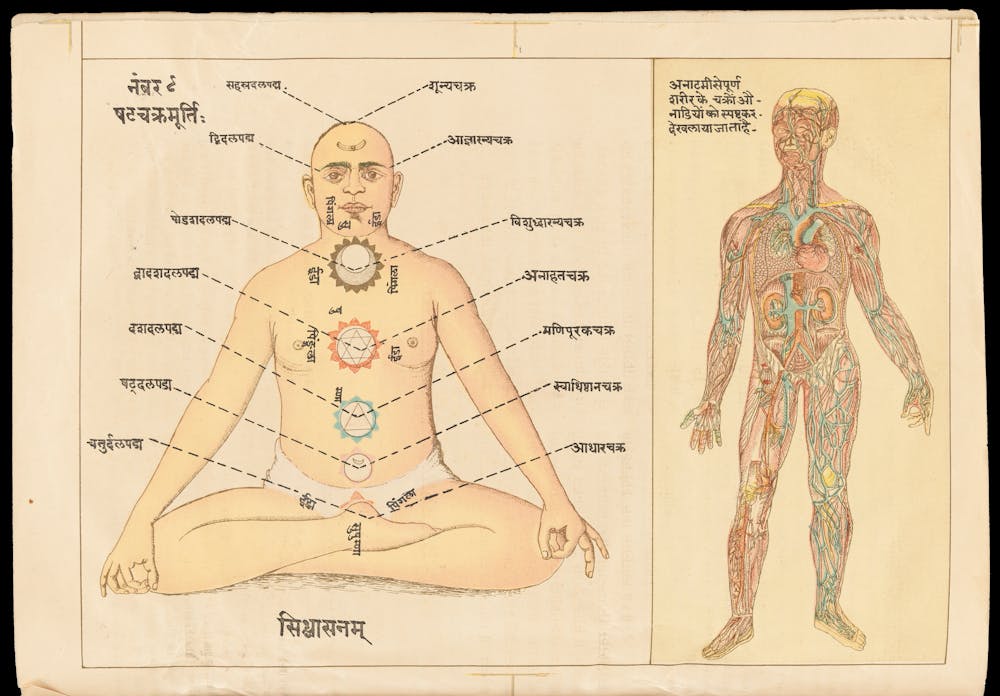


Rachana Sharira is the branch of Ayurveda that deals with the structure of the human body—its organs, tissues, bones, joints, vessels, and microscopic components. It is the Ayurvedic equivalent of anatomy, based on the teachings of classical texts such as Sushruta Saṃhitā, Charaka Saṃhitā, Ashtanga Hridaya, and later commentators. Ayurveda views the body not only as a physical assembly of organs, but as a living system shaped by Doṣa, Dhātu, and Srotas, with spiritual and functional components like Ātma and Manas.
“Rachana” means structure or arrangement, and “Sharira” means body.
Rachana Sharira aims to explain:
How the body is built
How different structures support life
How form relates to function
How imbalance leads to disease
It helps physicians understand the normal structure, which is essential to recognize abnormalities.
According to Ayurveda, the human body is composed of:
Includes all visible and tangible structures:
Asthi (bones)
Sandhi (joints)
Mamsa (muscles)
Sira, Dhamani, Srotas (vessels & channels)
Snayu (ligaments/tendons)
Koshtha (abdominal organs)
Pratyangas (minor parts)
Indriyas (sense organs)
Includes:
Atma (soul)
Manas (mind)
Indriyas (functional sensory & motor faculties)
Prana and Doṣas
Ayurveda treats these as integral to understanding health and disease.
Ayurvedic embryology—detailed especially by Charaka and Sushruta—explains the formation of the embryo through:
Shukra (sperm)
Shonita / Artava (ovum)
Atma (soul entering the womb)
Kala (time)
Ahara (nutrition)
Garbhashaya (uterus)
Ayurveda describes stages of fetal development:
Formation of limbs
Development of organs
Month-wise growth
Factors determining gender, complexion, strength, and deformities
This knowledge guides antenatal care (Garbhini Paricharya).
Ayurveda gives a detailed structural account of bones:
Total bones as per Sushruta: 300
As per Charaka: 360 (includes cartilage & smaller osseous parts)
Types of bones (Asthi Bheda):
Kapala (flat)
Ruchaka (teeth-like)
Taruna (cartilaginous)
Valaya (ring-shaped)
Nadi Pradesha (long bones with marrow)
Ayurveda also explains Asthi Sara, Asthi Kshaya, and signs of bone health.
Vein-like structures
Total according to Sushruta: 700
Channel structures carrying nutrients, impulses, and doshas
Total: 24 (10 upward, 10 downward, 4 transverse)
Functional channels of the body
13 major ones (Pranavaha, Rasavaha, Raktavaha, etc.)
Each has specific causes of vitiation, symptoms, and treatments
This concept is unique to Ayurveda, linking physiology, pathology, and clinical practice.
Muscles are described as:
Providing shape and strength
Covering vital structures
Enabling movement
Protecting joints
Sushruta describes 500 muscles with functional classifications.
Total: 210
Types include movable, semi-movable, and immovable joints
Joint stability explained through snayu (ligaments) and kapha (joint lubrication)
Total: 900
Essential for stabilization and motion
These structural details guide the treatment of fractures (bhagna) and sprains (snāyu-bhanga).
Ayurveda explains:
Gyanendriyas (eyes, ears, nose, tongue, skin)
Karmendriyas (speech, grasping, locomotion, reproduction, excretion)
Their relation to mind (Manas) and soul (Atma)
Functional anatomy is emphasized over mere structural description.
One of Ayurveda’s most unique contributions:
107 marma points
Located in muscle, bones, joints, ligaments, vessels
Injury leads to pain, disability, or death
Crucial in surgery and therapeutic massage (kalari marma chikitsha)
Sushruta explains how to study anatomy by preparing a dead body:
The body is kept in running water
Wrapped with grass/reeds
Allowed to decompose partially
Layers are slowly scraped to study structures
This is considered an early form of anatomical dissection.
Rachana Sharira is essential because:
It gives a complete understanding of human structure
Helps identify normal vs abnormal
Provides foundation for surgery, diagnosis, and therapeutics
Explains the relationship between form, function, mind, and soul
Offers unique concepts like marma and srotas not found in modern anatomy
Ayurveda sees the human body not just as a machine, but as a living, conscious, interconnected system.


Ayurveda stands on two intellectual pillars: Padārtha Vigyāna, the philosophical foundation that explains reality and its categories, and Ayurveda Itihāsa, the historical evolution of the science. Together, they help students and practitioners understand what Ayurveda is built upon and how it developed over thousands of years.
Padārtha Vigyāna means the science of fundamental categories, the building blocks through which Ayurveda explains the universe, the body, health, and disease. The term Padārtha literally means “that which can be known.” Ayurveda borrows its philosophical foundation mainly from Nyāya–Vaiśeṣika Darśana, integrating it into medical logic.
Ayurveda uses these classical padārthas to explain matter, qualities, actions, and relationships:
Dravya (Substance)
The basic entity that carries qualities and actions—nine types:
Pṛthvi, Ap, Tejas, Vāyu, Ākāśa, Kāla, Dik, Ātma, Mana.
Guṇa (Qualities)
Inherent properties like hot, cold, heavy, light, oily, dry, etc. Ayurvedic treatments focus on balancing guṇas.
Karma (Action)
Movements or functions—e.g., digestion, respiration, circulation.
Sāmānya (Similarity)
“Like increases like.”
Example: oily food increases Kapha.
Viśeṣa (Dissimilarity)
Opposites reduce each other.
Example: cold pacifies Pitta.
Samavāya (Inseparable relation)
The relation between dravya and guṇa, body and soul, etc.
Samavāyi Kārana (Inherent cause)
Used to explain pathology and treatment planning.
Ayurveda also defines its own functional padārthas:
Doṣa (Vāta, Pitta, Kapha) – regulatory principles
Dhātu (body tissues) – rasa to śukra
Mala (wastes) – urine, feces, sweat
Agni – digestive and metabolic fire
Srotas – physiological channels
Ojas – vitality & immunity
These concepts help a physician understand not just the body but the dynamic interactions that maintain health.
Padārtha Vigyāna helps explain:
The nature of the body and world
The logic behind diagnosis and treatment
How doṣas behave
How medicines work
How opposite qualities restore balance
Thus, it is the philosophical backbone of Ayurvedic theory and clinical reasoning.
Ayurveda Itihāsa explains how Ayurveda originated, evolved, and was systematized across generations of sages, scholars, and physicians.
Ayurveda is described as having originated from:
Lord Brahmā (who first perceived Ayurveda)
Passed to Dakṣa Prajāpati
Then to the Ashwinī Kumāras (twin physicians of the gods)
Then to Indra
Then to human sages like Atri, Bharadvāja, and Agniveśa
This tradition highlights Ayurveda as a knowledge system transmitted through enlightened teachers.
This phase includes the development of major classical textbooks:
Students: Agniveśa, Bhela, Jātūkarṇa, etc.
Agniveśa’s work was later revised by Acharya Charaka → Charaka Saṃhitā.
Father of Surgery: Acharya Sushruta
His disciples refined the teachings → Sushruta Saṃhitā
Author of Kaśyapa Saṃhitā, focusing on children, women, and neonatal care.
Wrote Aṣṭāṅga Hṛdaya and Aṣṭāṅga Saṅgraha
Combined Ayurveda into a concise, poetic, easy-to-learn system.
Scholars like:
Chakrapāṇi Datta (commentary on Charaka)
Dalhaṇa (commentary on Sushruta)
Arunadatta & Hemadri (commentary on Ashtanga Hridaya)
helped preserve and clarify classical texts.
Ayurveda expanded with contributions from:
Madhava Nidana (diagnostics)
Sharngadhara Samhita (pharmacology & formulations)
Bhavaprakasha (materia medica & pathology)
Regional medical lineages in Kerala, Kashmir, Nepal, and Sri Lanka
Modern Ayurvedic education follows the NCISM curriculum, integrating classical knowledge with modern sciences.
Philosophical foundation of Ayurveda
Explains categories of reality: dravya, guṇa, karma, doṣa, dhātu, agni, srotas
Essential for diagnosis and treatment logic.
Explains the divine origin and human development of Ayurveda
Covers Charaka, Sushruta, Kaśyapa, Vāgbhaṭa, and the commentators
Shows how Ayurveda evolved into a complete medical science.

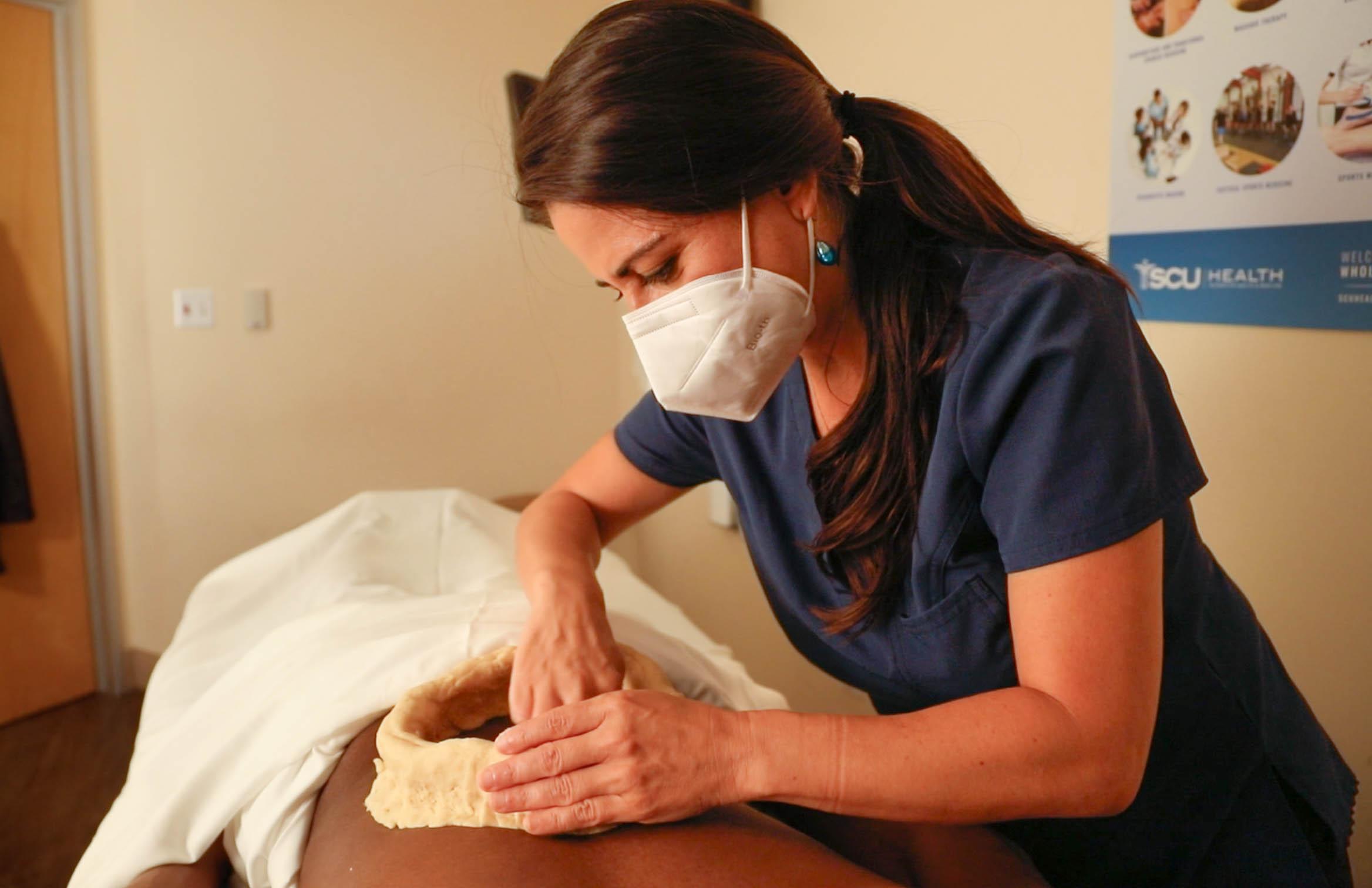
General Medicine in Ayurveda is known as Kāyacikitsā, one of the eight classical branches (Aṣṭāṅga Ayurveda). The word “Kāya” means body and “Cikitsā” means treatment; together it refers to the comprehensive management of all systemic diseases affecting internal organs, metabolism, immunity, and overall health. Acharya Charaka is considered the foremost authority of Kāyacikitsā, and his Charaka Saṃhitā remains the foundational text for all aspects of internal medicine in Ayurveda.
The core principle of Ayurveda is doṣa–dhātu–agni balance. Every disease begins with the disturbance of Vāta, Pitta, or Kapha, leading to impairment of tissues (dhātus), obstruction in body channels (srotas), and weakening or aggravation of Agni (digestive & metabolic fire). Hence, the physician first identifies which doṣa is imbalanced, how the pathology has developed (samprāpti), and which tissues/organs are involved. This scientific method makes Kāyacikitsā deeply analytical and individualized.
Ayurvedic general medicine covers a wide range of diseases—digestive disorders, respiratory conditions, neurological diseases, cardiac issues, metabolic disorders, skin diseases, urinary problems, psychological conditions, and immune dysfunctions. Disorders such as Ajeerna (indigestion), Grahani (IBS-like disorders), Prameha (diabetes), Udara (ascites), Jwara (fever), Shwasa (asthma), Kasa (cough), Pandu (anemia), Vataroga (neurological diseases), and Kushtha (skin diseases) are described in great detail. Instead of treating symptoms alone, Ayurveda focuses on correcting the root cause, usually linked to improper diet, lifestyle, emotional stress, and weakened digestive/metabolic function.
The treatment strategies in Kāyacikitsā follow two major pathways: Shodhana (purification) and Shamana (pacification). Shodhana includes the classic Panchakarma procedures—Vamana, Virechana, Basti, Nasya, and Raktamokshana—used to eliminate aggravated doṣas from the body. Shamana therapy includes medicines, diet, lifestyle modification, yoga, and rasayana therapies that balance doṣas without elimination. Proper selection between Shodhana and Shamana is a mark of an expert physician, and Charaka highlights this as the essence of medical judgment.
Herbal formulations play a major role in general medicine. Classical medicines such as Triphala, Dashamoola, Guduchi, Haritaki, Yashtimadhu, Ashwagandha, Shatavari, Gokshura, Nimba, and Pippali are used based on doṣa involvement. Numerous preparations like Kashayam (decoctions), Arishtams, Churnas, Lehyams, Ghritas, and Rasayanas are prescribed to restore health, improve digestion, boost immunity, and strengthen tissues. Ayurveda also emphasizes Aahara (medical diet) as a crucial part of treatment; every disease has a dietary guideline that supports faster healing.
Ayurvedic general medicine also includes a strong emphasis on preventive healthcare and longevity. Dincharya (daily routines), Ritucharya (seasonal routines), and Sadvritta (ideal mental-behavioral conduct) are described as essential tools for maintaining long-term health. Stress management, sleep regulation, digestion correction, and mental clarity are part of every treatment plan, making Kauyacikitsā both holistic and predictive.
One of the unique features of Ayurveda is Rasāyana therapy, which enhances immunity, slows aging, improves mental strength, and prevents chronic diseases. Rasayana is especially important in managing lifestyle disorders like diabetes, hypertension, obesity, depression, autoimmune diseases, recurrent infections, and weakness after chronic illness. By strengthening Ojas—the essence of immunity—Ayurveda ensures long-term protection rather than temporary relief.
In summary, Kāyacikitsā (General Medicine) in Ayurveda is a deeply logical and holistic science that addresses disease from the root cause. It blends purification therapies, herbal medicines, diet, lifestyle, mental health practices, and rejuvenation techniques to restore harmony in the body. Its comprehensive understanding of physiology, pathology, immunity, digestion, and mind-body wellness makes it a timeless and effective system for modern medical challenges.
Gynaecology (Strīroga) in Ayurveda — A Complete Overview
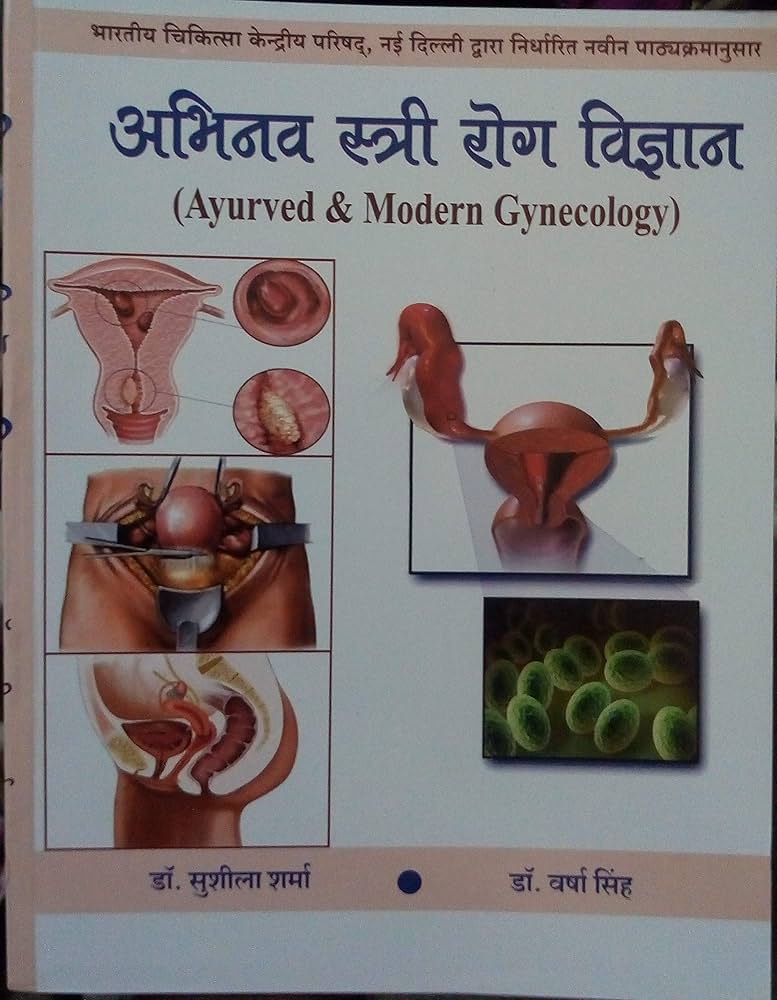


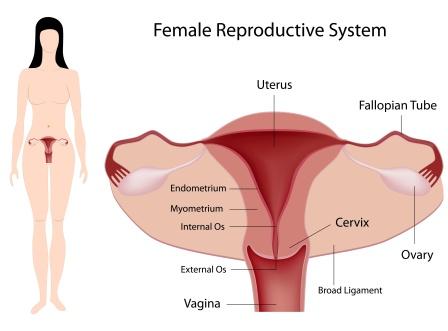
Gynaecology in Ayurveda, traditionally known as Strīroga-Vijñāna, is a specialized branch that deals with the physiology, pathology, diagnosis, and treatment of disorders related to the female reproductive system. Acharyas like Kashyapa, Charaka, Sushruta, and Vagbhata have contributed richly to this branch, making Ayurveda one of the earliest medical sciences to describe women’s health in a remarkably comprehensive manner. The Ayurvedic approach views a woman’s body as a dynamic system influenced by doṣas (Vāta, Pitta, Kapha), the reproductive tissues (Artava Dhātu), hormones, mind (Manas), nutrition, and lifestyle.
Ayurveda emphasizes that women’s health is foundational for family and societal well-being. From menarche to menopause, each stage is seen as a physiological transformation that must be supported with proper diet, lifestyle, and seasonal care. The texts describe how menstrual health reflects the state of the entire reproductive system. Normal menstruation (Prakṛta Artava) is characterized by timely flow, natural color, minimal pain, and balanced emotions. Any deviation—such as irregular cycles, excessive bleeding, scanty flow, or amenorrhea—is understood through the lens of doṣic imbalance, impaired digestion (Agnimandya), or obstruction in the channels (Srotorodha).
Common gynaecological disorders explained in Ayurveda include Amenorrhea (Artava Kshaya), Dysmenorrhea (Kashtartava), Menorrhagia (Asṛgdara), Leucorrhoea (Śveta Pradara), PCOD-like presentations (Artava Dushti variants), uterine prolapse, recurrent abortions, and infections. Each disease is described not only by symptoms but also by Samprāpti (pathogenesis) that traces how lifestyle, diet, stress, or hormonal imbalance disturbs doṣas and affects reproductive tissue. This helps in designing individualized treatments rather than a one-size-fits-all approach.
Ayurvedic treatment for gynaecological diseases follows a structured plan: Shodhana therapy (detoxification like Virechana, Basti, Uttara Basti), Shamana therapy (herbal medicines), Rasayana therapy for rejuvenation, and lifestyle corrections (Aahara–Vihara). Herbs such as Aśoka, Lodhra, Shatavari, Kumari (Aloe vera), Guggulu, and Dashamoola are widely used for regulating cycles, improving ovulation, reducing inflammation, and strengthening the uterus. Special procedures like Uttara Basti are considered highly effective for chronic conditions like infertility, fallopian tube blockage, and recurrent infections.
Ayurveda gives special importance to pregnancy (Garbha Dharana) and Garbhini Paricharya, the systematic antenatal care protocol. It includes dietary guidelines, physical activity, herbs, and emotional well-being recommendations for each month of pregnancy. These guidelines ensure healthy fetal development and safe delivery. Postnatal care (Sūtika Paricharya) supports healing, restores strength, and enhances lactation. As modern medicine recognizes, many Ayurvedic principles—like balanced nutrition, minimizing stress, and routine-based lifestyle—have strong scientific foundations for hormonal and reproductive health.
Another unique contribution of Ayurveda is its deep understanding of Artava Dhātu (reproductive tissue) and Beeja (ovum). The health of Artava determines fertility, menstrual regularity, hormonal balance, and emotional stability. Ayurveda also connects gynaecological health with mental health (Manasa Doṣa), explaining how stress, grief, anxiety, and anger can directly disturb menstrual cycles and reproductive hormones.
In summary, gynaecology in Ayurveda is holistic, preventive, and individualized. It focuses on maintaining balance throughout all stages of womanhood—menarche, reproductive years, pregnancy, postpartum, and menopause. By integrating diet, lifestyle, herbs, detox therapies, and mind–body balance, Ayurveda offers a comprehensive system for treating and preventing reproductive disorders while enhancing overall vitality and well-being.
Vāgbhaṭa Āchārya and Kaśyapa Maharṣi — Their Connection in Ayurveda
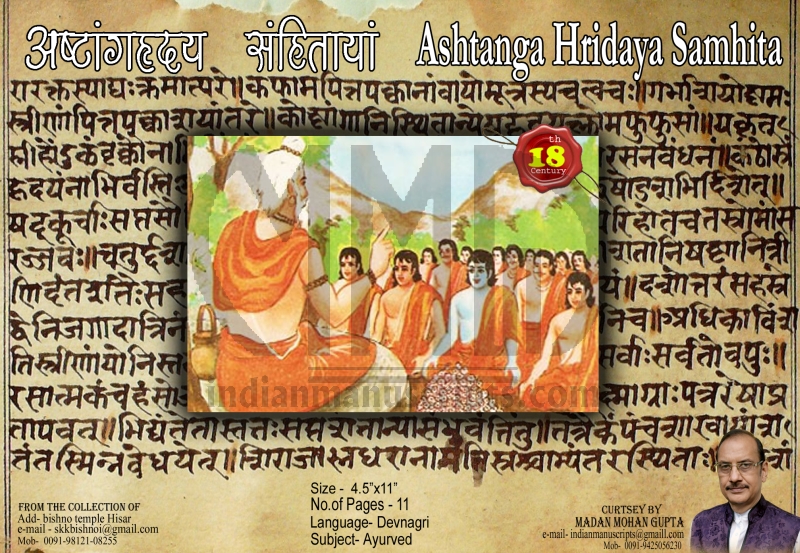


Ayurveda, as a continuous scientific tradition, grows through teacher–student lineages and textual inheritance. In this lineage, Kaśyapa Maharṣi and Vāgbhaṭa Āchārya share a deep intellectual and philosophical connection, even though they lived in different historical periods. Kaśyapa belongs to the early classical era of Ayurveda, whereas Vāgbhaṭa lived much later, during the post-classical to early medieval period. Still, their relationship is preserved through textual influence, shared concepts, and clinical approaches.
Kaśyapa Maharṣi is one of the ancient seers of Ayurveda, credited with the Kaśyapa Saṃhitā, a major classical text known especially for:
Kaumāra-bhṛtya (pediatrics)
Stree-roga (gynecology)
Prasooti tantra (obstetrics)
Dietetics and preventive medicine
Kaśyapa emphasizes nurturing life from conception, proper balasamskara, immunity building, and daily/seasonal regimens. His work is highly practical, focusing on protecting the child and mother, and maintaining balance in early life.
Vāgbhaṭa is known for the Aṣṭāṅga Hṛdaya and Aṣṭāṅga Saṅgraha, texts that summarize the entire Ayurvedic knowledge available up to his time.
He synthesizes ideas from:
Charaka
Suśruta
Kaśyapa
Other contemporary scholars
His writings are highly organized, poetic, and easy for students and physicians to apply.
Vāgbhaṭa cites and echoes many concepts originally presented in Kaśyapa Saṃhitā.
Some of these include:
Development of the fetus
Importance of garbhini paricharya (care during pregnancy)
Role of stanya (breast milk) in immunity and development
Pediatric diseases and digestive issues
Use of gentle herbs for infants and pregnant women
Though Vāgbhaṭa does not always directly mention Kaśyapa by name, he incorporates the essence of Kaśyapa’s teachings and refines them in a more systematic format.
Kaśyapa’s approach focuses on preservation of health and development of strong immunity from early life.
Vāgbhaṭa continues this emphasis through:
Dincharya (daily routine)
Ritucharya (seasonal wellness)
Rasayana chikitsa (rejuvenation)
All these reflect Kaśyapa’s influence on ensuring long-term physical and psychological stability.
Many pediatric treatment methods described by Vāgbhaṭa—such as:
Handling colic
Teething issues
Worm infestations
Childhood fevers
—are aligned with Kaśyapa’s earlier descriptions.
Kaśyapa’s text is more detailed in pediatrics, but Vāgbhaṭa adopts the practical portions and condenses them for easy clinical use.
While we do not have clear evidence that Vāgbhaṭa was directly in Kaśyapa’s disciple lineage, the textual style shows:
Reverence for the earlier sages (pūrva-acharyas)
Absorption of Kaśyapa’s core ideas
Continuation of Kaśyapa’s focus on child and maternal health
Thus, Vāgbhaṭa stands as a successor who preserved and repackaged Kaśyapa’s legacy for later generations.
| Ancient Concept | Modern Understanding | Connection |
|---|---|---|
| Garbhini paricharya | Maternal nutrition & prenatal care | Kaśyapa → Vāgbhaṭa elaborates and systematizes |
| Stanya & balasamskara | Immunology & neonatal care | Kaśyapa’s foundation reflected in Vāgbhaṭa |
| Child development stages | Pediatrics & developmental milestones | Both authors give guidelines still clinically relevant |
| Preventive care | Public health | Kaśyapa’s preventive emphasis refined by Vāgbhaṭa |
| Gentle pediatric medicine | Pediatric pharmacology | Shared emphasis on safe, mild therapies |
In modern terms, Kaśyapa is like the original researcher, and Vāgbhaṭa is the great editor and textbook writer who brings earlier research into a unified, easy-to-understand form.
Kaśyapa Maharṣi is an early Ayurvedic seer specializing in pediatrics and women’s health.
Vāgbhaṭa, who came centuries later, built upon and integrated Kaśyapa’s teachings.
Their connection is not of direct personal association but a deep scholarly and philosophical lineage.
Vāgbhaṭa ensured that Kaśyapa’s pediatric and maternal-care principles would continue in mainstream Ayurveda.

Medical Pluralism in India: A Scientific Perspective on the Coexistence of Diverse Healing Systems
Modern medicine remains the globally dominant healthcare model due to its evidence-based methodologies, advanced diagnostics, and standardized treatment protocols. However, the persistence and popularity of Ayurveda, Siddha, Unani, Homoeopathy, and other traditional healing systems—particularly in India—highlight the complex interplay of biological, cultural, psychosocial, and experiential dimensions of health that modern biomedicine alone may not fully address. This article scientifically examines the rationale for sustaining medical pluralism, the limitations and strengths of biomedical care, the relevance of traditional systems, and the need for integrative collaborations for chronic, multifactorial diseases.
The question, “Why do alternative medical systems continue to exist despite the advancement of modern medicine?” reflects a global inquiry into healthcare choices. While biomedicine provides unparalleled progress in emergency care, surgery, infectious disease control, and diagnostics, the human experience of illness extends beyond measurable biochemical parameters. Patients often choose healthcare systems based on perceived efficacy, cultural familiarity, communication ease, and holistic support.
India, with its long-standing heritage of pluralistic healing systems, offers an ideal environment to study how diverse medical traditions coexist and complement one another.
Although modern medicine excels in acute and life-threatening conditions, certain limitations remain:
Conditions such as:
Migraine
Urticaria
Fibromyalgia
Trigeminal neuralgia
Chronic prostatitis
Irritable bowel syndrome
Autoimmune joint disorders (e.g., sacroiliitis)
often require long-term management rather than definitive cures. These diseases frequently involve multifactorial pathophysiology—neurological, immunological, psychosocial, and lifestyle-related elements combined.
Patient satisfaction is significantly influenced by:
time spent by the physician,
explanation of disease,
personalized lifestyle guidance, and
continuity of care.
When such components are perceived to be inadequate, patients explore systems where they believe their concerns will be better understood.
Biomedicine largely operates within:
reductionist frameworks,
measurable endpoints,
laboratory-based diagnostics, and
evidence hierarchies prioritizing randomized controlled trials.
Human physiology, however, includes dynamic, non-linear interactions—gut-brain axis, psychoneuroimmunology, microbiome influences—that are still being understood. Traditional systems attempt to contextualize disease within broader lifestyle, digestive, emotional, and environmental factors.
Language influences how individuals articulate symptoms and emotions. Many patients can convey subjective experiences—fatigue, anxiety, sensations of heat/cold, appetite changes, sleep disturbances—more precisely in their mother tongue. Traditional medicine consultations in India often allow this culturally rooted communication, enhancing diagnostic understanding.
Ayurveda and Siddha conceptualize disease through systemic patterns (doṣa, agni, ama, srotas) that correspond to metabolic, inflammatory, neurological, and psychosomatic networks. This appeals to patients with complex syndromes not easily categorized in biomedical terms.
Many individuals report intolerance to long-term pharmacological regimens such as NSAIDs, steroids, PPIs, or neuropathic pain modulators. Traditional therapies—dietary modifications, herbal formulations, external therapies, and detoxification procedures—are often perceived as gentle and sustainable.
Clinical observations and emerging research show promising results of Ayurveda in:
autoimmune inflammation (e.g., sacroiliitis),
chronic pain syndromes,
metabolic disorders,
skin diseases,
gut-related disorders.
Although large-scale RCTs are still limited, mechanistic studies on phytochemistry, immunomodulation, antioxidant properties, and microbiome effects provide scientific support.
A middle-aged individual with MRI-confirmed sacroiliac joint inflammation experienced persistent pain despite analgesics and steroids. The condition improved significantly following:
structured dietary regulation,
sleep–wake rhythm correction,
Ayurvedic external therapies (e.g., taila application),
gut-immune balancing interventions, and
supervised rest.
This clinical example suggests that lifestyle-oriented, anti-inflammatory, and gut-focused therapies may modulate autoimmune processes—an area where Ayurveda contributes meaningfully.
Even in highly advanced healthcare systems like the United States, millions of patients form online support groups for chronic, unresolved symptoms. The popularity of CAM (Complementary and Alternative Medicine) is driven by:
chronic pain,
fatigue disorders,
inflammatory diseases,
stress-related illnesses,
gastrointestinal syndromes.
Systematic reviews indicate that 38–70% of chronic illness patients globally use some form of CAM, highlighting unmet needs in conventional care.
India’s strength lies not in suppressing medical diversity but in intelligently integrating it.
Modern medicine is unmatched in diagnostics, emergency care, acute infections, and surgery.
Ayurveda excels in lifestyle regulation, chronic disease modulation, metabolic corrections, detoxification, and functional disorders.
Developing standardized protocols for:
integrative pain management,
autoimmune disease management,
lifestyle disorders (obesity, diabetes, PCOS),
mental health support,
geriatric care
can generate a more comprehensive health model.
Eliminating other systems in favor of a single medical doctrine can lead to:
reduced patient choice,
under-addressed chronic disease burden,
culturally mismatched communication,
limited therapeutic diversity.
Human health is a multidimensional phenomenon involving biological, psychological, cultural, and environmental factors. No single medical system—however advanced—can address all aspects of disease. Medical pluralism in India is not a historical accident but a pragmatic necessity shaped by patient experience, disease complexity, and cultural cognition.
Scientific collaboration between biomedicine and traditional systems such as Ayurveda can create a robust, multi-layered healthcare architecture that serves patients more effectively. The future of health does not lie in medical exclusivism but in integrative, evidence-informed, patient-centered pluralism.
ആയുർവേദത്തിൽ യുവത്വം വീണ്ടെടുക്കാനുള്ള അത്ഭുതശക്തിയായി കണക്കാക്കപ്പെടുന്നത് ‘കായക്കൽപ്പം’ എന്ന ബ്രഹ്മാണ്ഡചികിത്സയാണ്. നമ്മൾ വാഹനങ്ങളും ഉപകരണങ്ങളും നിശ്ചിത ഇടവേളകളിൽ സർവീസ് ചെയ്യുമ്പോൾ, ഒരിക്കലും പൂർണമായി സർവീസ് ചെയ്യാത്ത ശരീരം വാർദ്ധക്യലക്ഷണങ്ങൾ പ്രകടിപ്പിക്കുന്നത് അതിശയകരമല്ല. ‘കായം’ ശരീരവും ‘കൽപ്പം’ പൂർണമായ മാറ്റവുമാണ്, അതിനാൽ കായക്കൽപ്പം ഒരു സ്പാ തെറാപ്പിയോ സൗന്ദര്യചികിത്സയോ അല്ല; ശരീരത്തിന്റെ കോശതലത്തിൽ വരെ പുനർജനനം സൃഷ്ടിക്കുന്ന ശാസ്ത്രീയ-ആയുർവേദ പ്രക്രിയയാണ്. ഈ ചികിത്സ രണ്ട് ഘട്ടങ്ങളിലായി നടക്കുന്നു. ആദ്യം പഞ്ചകർമ്മ മുഖേന ശരീരത്തിൽ വർഷങ്ങളായി അടിഞ്ഞുകൂടിയ വിഷാംശങ്ങൾ നീക്കം ചെയ്ത് മെറ്റബോളിസവും ഹോർമോൺ ബാലൻസും പുനഃസ്ഥാപിക്കുന്നു; പഴയ പെയിന്റ് ചുരണ്ടി കളഞ്ഞാൽ പുതിയത് ഭംഗിയായി പിടിക്കുമെന്നതുപോലെ, ഈ ഘട്ടം ശരീരത്തെ പുനർജ്ജീവനത്തിനായി തയ്യാറാക്കുന്നു. തുടർന്ന് രസായന ഘട്ടത്തിൽ നെല്ലിക്ക, അശ്വഗന്ധ, ബ്രഹ്മി, ഗുഡൂചി, ശിലാജിത്, ച്യവനപ്രാശം തുടങ്ങിയ ഔഷധങ്ങൾ നൽകി കോശങ്ങളുടെ ഊർജ്ജോത്പാദനം വർധിപ്പിക്കുകയും, മൈട്ടോകോണ്ട്രിയയെ ഉത്തേജിപ്പിക്കുകയും, രോഗപ്രതിരോധ ശക്തിയും ഓജസ്സും ഉയർത്തുകയും ചെയ്യുന്നു. ആധുനിക ശാസ്ത്രം പറയുന്ന വാർദ്ധക്യകാരകങ്ങളായ ഫ്രീ റാഡിക്കലുകൾ, ടെലോമിയർ ചുരുങ്ങൽ, കോശക്ഷയം, മെറ്റബോളിക് ഡിസ്ഫങ്ഷൻ എന്നിവക്കെതിരെ ഈ ഔഷധങ്ങൾ ഉയർന്ന നിലവാരത്തിലുള്ള ആന്റി-ഓക്സിഡൻറ് പ്രവർത്തനം കാഴ്ചവെക്കുന്നു. അതിനാൽ, വയസ്സാകുന്നത് തടയാൻ കഴിയാതിരുന്നാലും, ശരീരത്തിന്റെ ജൈവപ്രായം കുറയ്ക്കാനും ചുറുചുറുക്കും തിളക്കവും വീണ്ടെടുക്കാനും കായക്കൽപ്പ ചികിത്സ സഹായിക്കുന്നു. 35–40 വയസ്സ് കഴിഞ്ഞവർ, സ്ഥിരം ക്ഷീണവും ഉറക്കക്കുറവും ഹോർമോൺ അസംതുലിതാവസ്ഥയും നേരിടുന്നവർ, ത്വക്ക്-മുടി ക്ഷയലക്ഷണങ്ങൾ അനുഭവിക്കുന്നവർ,甚至 ദീർഘകാല രോഗശമനത്തിന് ശേഷം ശരീരം പുനഃസ്ഥാപിക്കേണ്ടവർ—എല്ലാവർക്കും കായക്കൽപ്പം ഒരു ജീവിതമാറ്റം നൽകുന്ന ശാസ്ത്രീയ മാർഗമാണ്. ഒരുവർഷത്തിൽ ഒരിക്കൽ പോലും കായക്കൽപ്പം ചെയ്യുന്നത് ശരീരത്തിന് ഒരു ‘റീസെറ്റ് ബട്ടൺ’ അമർത്തുന്നതുപോലെയാണ്: വാർദ്ധക്യത്തിന്റെ വേഗം കുറയുകയും, കോശങ്ങൾ പുതുക്കി പണിയപ്പെടുകയും, ശരീരം-മനസ്സ്-ഇന്ദ്രിയങ്ങളെല്ലാം പുതുമയോടെ പ്രവർത്തനക്ഷമമാകുകയും ചെയ്യുന്നു. അതുകൊണ്ടാണ് ഭാരതത്തിലെ അചാര്യന്മാർ, സന്യാസിമാർ, രാജവംശങ്ങൾ തുടങ്ങിയവർ കായക്കൽപ്പത്തെ ഒരു ചികിത്സയല്ല, ഒരു ദീർഘായുസ് ദർശനമായി കണക്കാക്കിയത്. ഇതിന്റെ ആഴത്തിലുള്ള സർണ്ണം ഒറ്റവാക്കിൽ പറഞ്ഞാൽ—വയസ്സാകുന്നത് നിർത്താനാകില്ല, എന്നാൽ മുമ്പത്തെക്കാൾ ചെറുപ്പം അനുഭവിക്കുന്ന ശരീരം നമ്മുക്ക് നൽകാൻ കഴിയുന്ന ഒരു ശാസ്ത്രം ഉണ്ടെന്നതാണ്; അതാണ് ആയുർവേദത്തിലെ കായക്കൽപ്പം.

